By: Christopher Kaahwa
About 140 teacher educators from Makerere University, Busitema University, and Mountains of the Moon University have successfully been trained on the Capacity Building of Teacher Educators in Competency-Based Curriculum, exceeding the project’s planned target of 80.
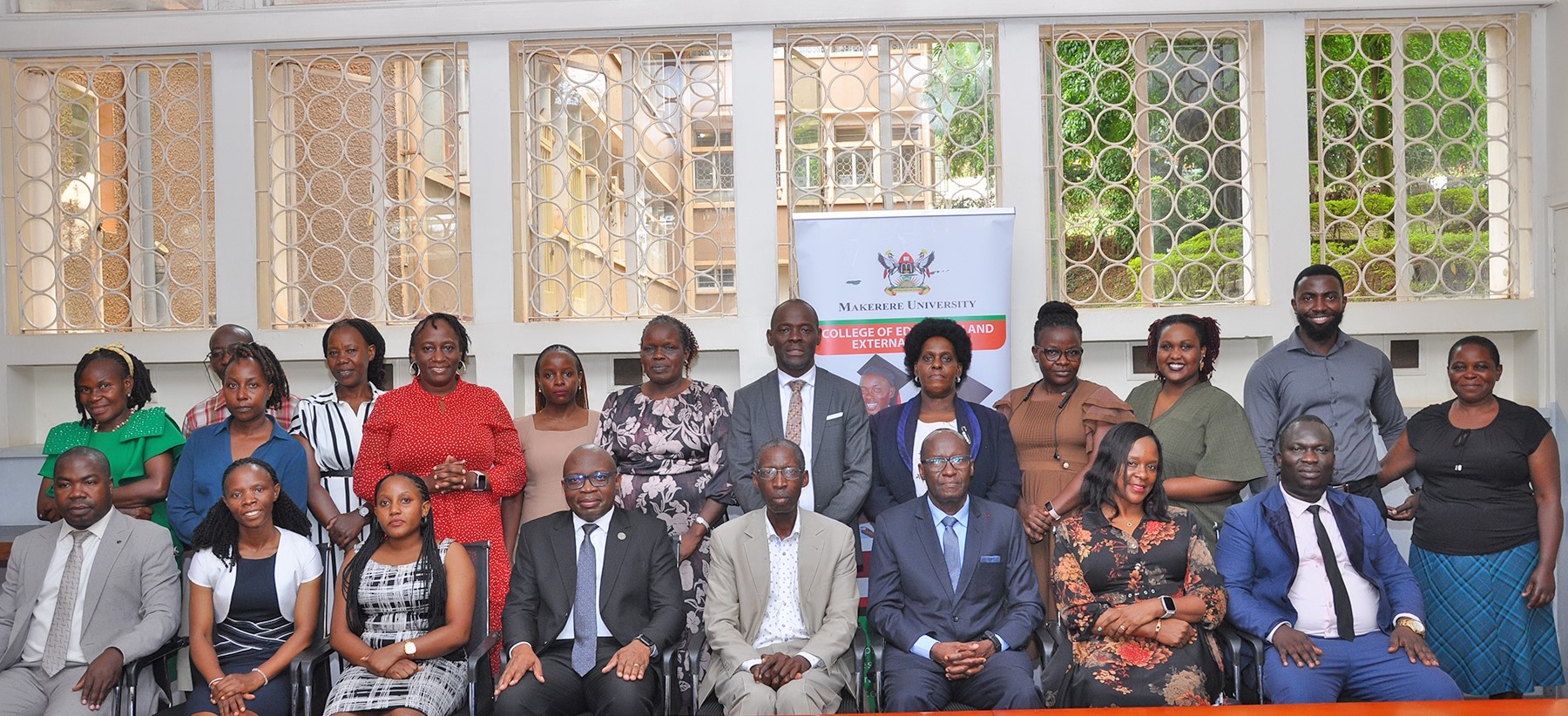
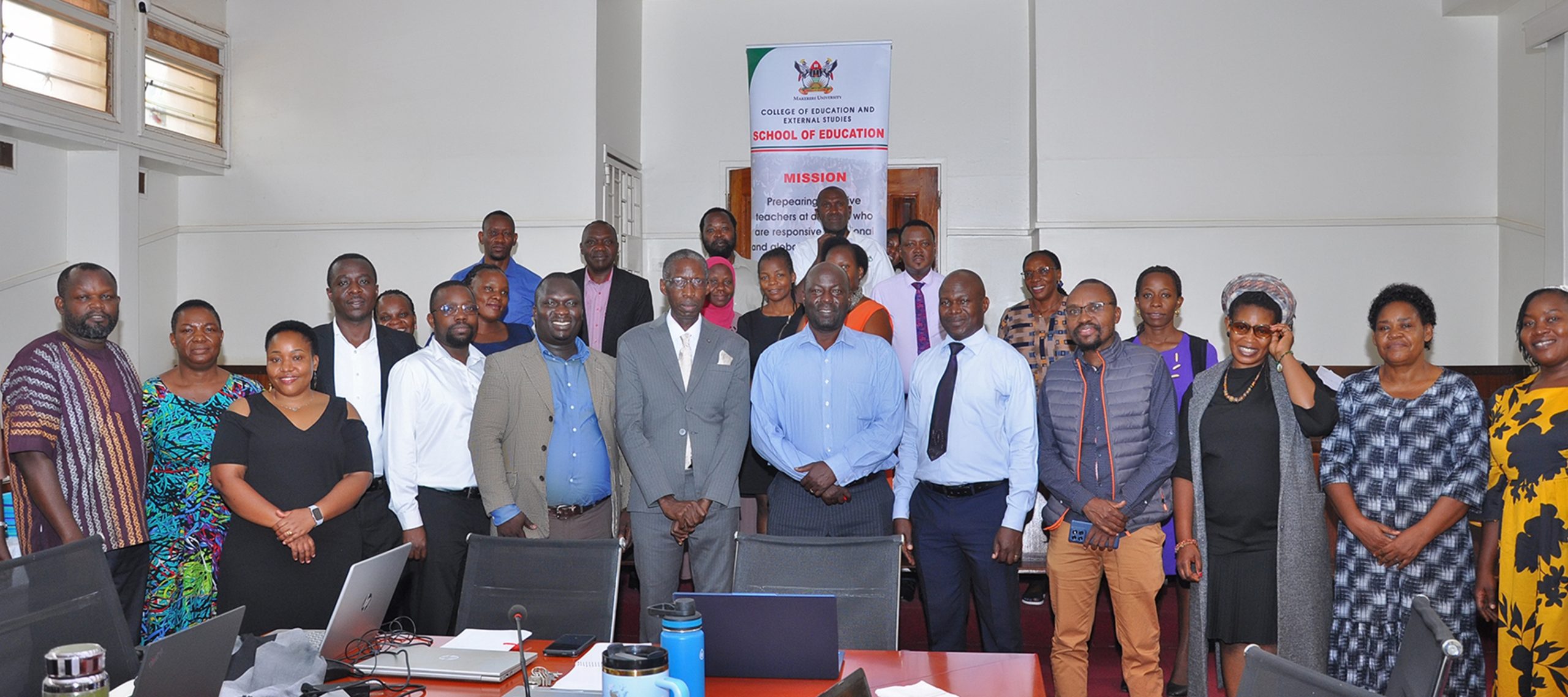
On 7th May 2026, education leaders and teacher educators from universities and education agencies across Uganda gathered at Makerere University for a dissemination workshop on the project titled, “Capacity Building of Teacher Educators in Competency-Based Curriculum (CBC) in selected public Universities in Uganda.”
The workshop brought together officials from the National Curriculum Development Centre (NCDC), Uganda National Examinations Board (UNEB), Makerere University Research and Innovations Fund (Mak-RIF), and representatives from different universities to reflect on the research findings of the project and discuss its implications for the teacher educators in Uganda.
Project objectives included: Assessing the status of CBC integration in Teacher Education programmes in selected Universities in Uganda; Developing the capacity of teacher educators to align University programmes to CBC; Effectively facilitating CBC sessions in Teacher Education; and Designing learning spaces and activities for CBC facilitation.
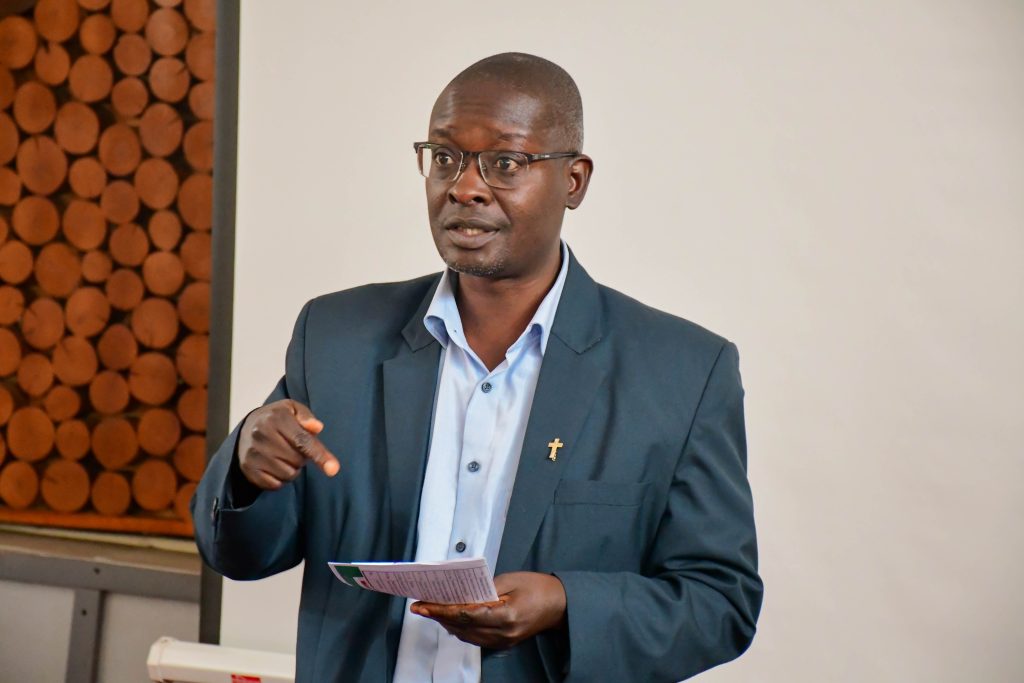
Opening the workshop, the Head, Department of Foundations and Curriculum Studies (DFCS) at the School of Education, Prof. Gyaviira Genza Musoke, who also represented the Dean, School of Education, highlighted that the introduction of Competency-Based Education (CBE) in secondary schools had moved from what many initially viewed as a pilot phase to a full national education reform that universities can no longer ignore.
He recalled that when CBC was introduced in senior one in 2020, many education stakeholders were uncertain about its future. However, the curriculum has since expanded through different levels of secondary education, including the Advanced Level, with the first cohort of A-level learners under the new curriculum expected to sit for national examinations this year.
Prof. Genza Musoke noted that universities have already been directed to align their academic programmes with CBC requirements ahead of the 2027/2028 academic year.
“CBE is here to stay, whether we like it or not. CBE is a crucial issue at Makerere and the future of our society,” he stated.
He observed that although there are still differing views about CBC within institutions of higher learning, many of those who support the reform are individuals who have taken time to study, understand and engage with it through workshops and professional discussions. “Henceforth, the importance of this platform as we gather for this dissemination workshop is to listen, to question each other, to check on our biases, and to take our country forward with competency-based learning,” Prof. Genza Musoke said.
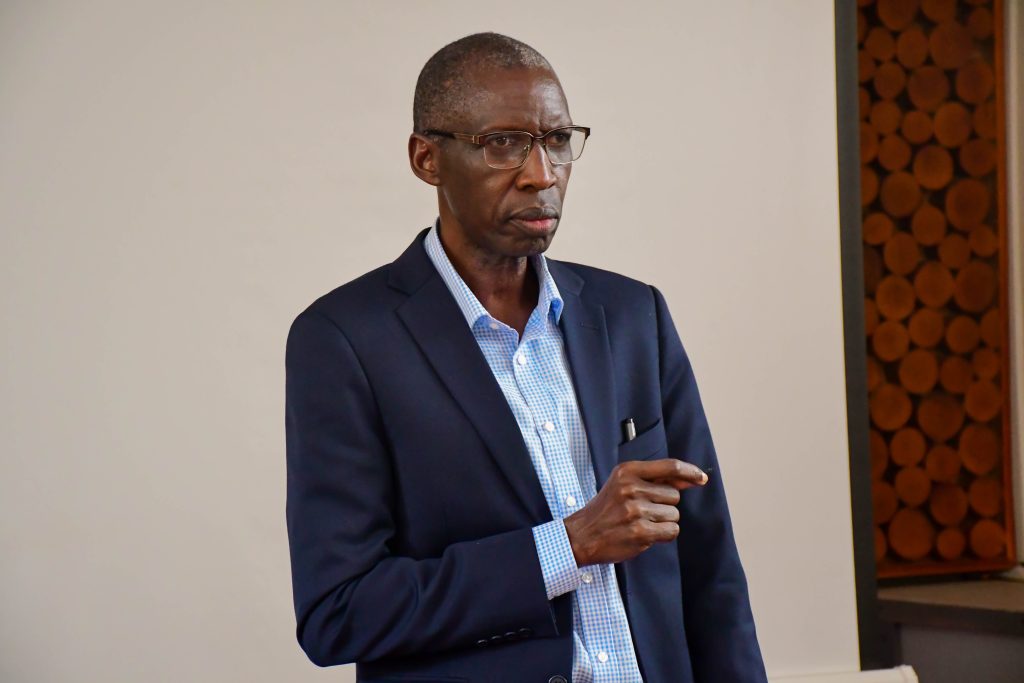
In his remarks, the Principal of the College of Education and External Studies (CEES), Prof. Anthony Muwagga Muggaga, commended the project team led by Dr. Julius Shopi Mbulankende, the Principal Investigator (P.I.), together with Dr. Alfred Buluma, Dr. Michael Walimbwa, Associate Professor Josephine Esaete, Ms. Joyce Nansubuga, and other partners from different universities for creating a platform that enables education leaders and teacher educators to learn, reflect and engage on CBE implementation.
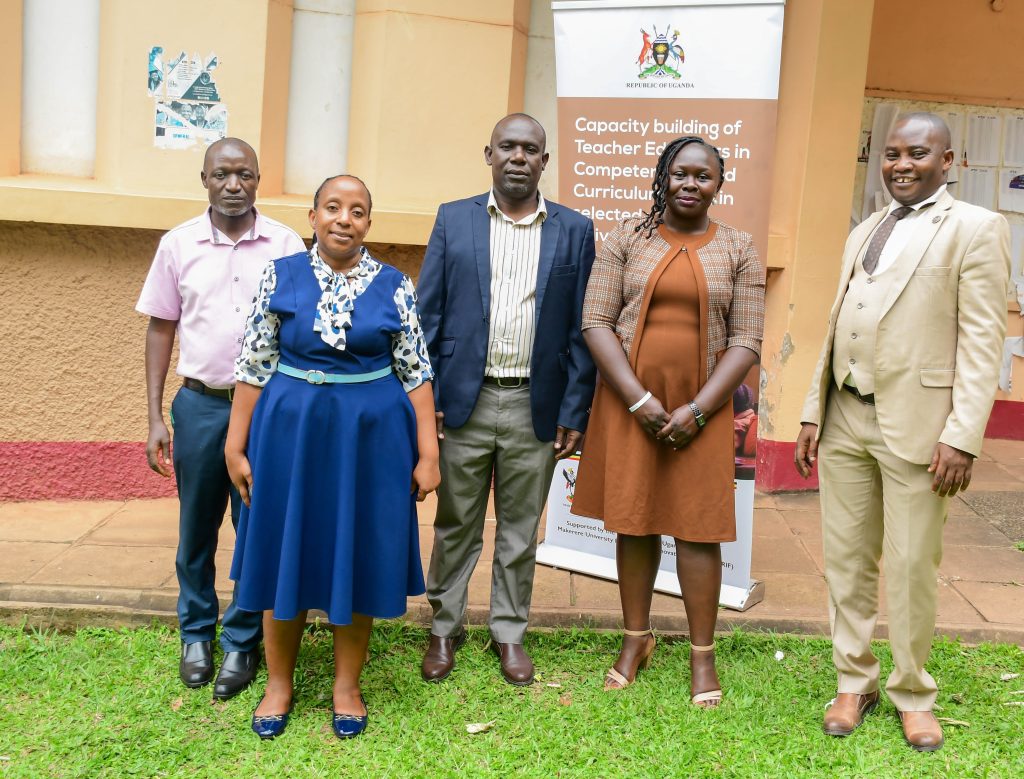
Prof. Mugagga emphasized the need for deeper reflection and honesty among academics and teacher educators regarding the implementation of CBE. He challenged stakeholders to critically examine whether schools across the country have the facilities and learning environment necessary to support competency-based learning, including libraries, computers and opportunities for independent research.
“If we are intentional about the success of CBC, we must be sincere and ask serious questions that positively contribute to its future,” he remarked.
He stressed the need for stronger coordination among key education agencies, including the National Council for Higher Education (NCHE), NCDC, UNEB, and institutions of learning, to ensure harmonized implementation of the curriculum reforms. He also called for continued discussions on the philosophy underpinning competency-based education, noting that understanding the foundation of the reform is critical to successful implementation.
Critical Outcome of the Project – Capacity Building of Teacher Educators in Competency-Based Curriculum.
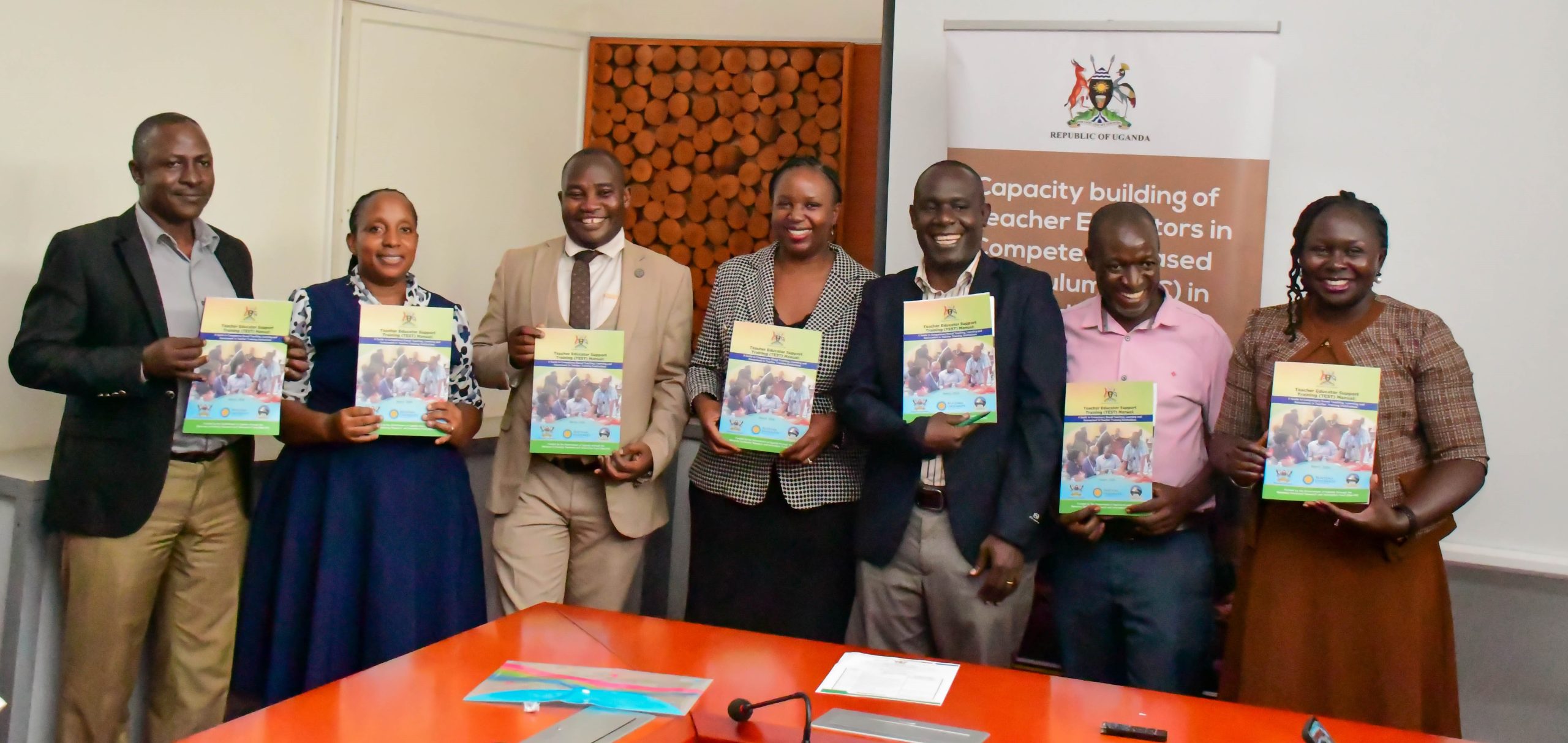
The dissemination workshop featured the launch of the Teacher Educator Support Training (TEST) Manual, a guide to Competency-Based Teaching, learning and assessment in teacher training institutions. The comprehensive training manual was successfully developed through a collaborative partnership, which included representatives from the selected participating universities (Makerere University, Busitema University and Mountains of the Moon University) and resource persons from NCDC, ensuring alignment with national curriculum standards.
“This is a critical outcome, providing a sustainable resource for self-paced learning and broader dissemination beyond the immediate project scope’” the Principal Investigator (P.I.), Dr. Julius Shopi Mbulankende, stated. He elaborated that the manual’s content focused on four core themes: Understanding CBC, Effective delivery, Assessment of learning, and Design of Learning spaces.
The ultimate goal of the manual is to support teacher educators in preparing for the forthcoming products of CBC. It also provides guidelines to help teacher educators and other higher education institution facilitators to align university courses to CBC and produce competent graduates ready for the workforce.
Looking ahead, Prof. Mugagga noted that by 2027, higher education institutions will admit products of the CBC system. He welcomed the training manual as a major project output and described it as a tool that will help stakeholders in developing course units aligned to CBC design principles, preparing and delivering a CBC lecture, designing curriculum materials, assessing a CBC achievement and designing learning spaces ideal for CBC facilitation in institutions of higher learning.
“This training manual is timely, and if well utilized, it will go a long way in enhancing teacher trainers’ competencies in theory and practice of CBC,” he added.
The launch was presided over by the Acting Deputy Coordinator of the Mak-RIF Grants Management Committee, Ms. Juliet Nabirye, who represented the Chairperson, Professor Fred Masagazi Masaazi. Ms. Nabirye commended the Government of Uganda for continuously supporting research through Mak-RIF, and especially in enabling the project team realize their project objectives.
Drawing example from the process of developing the training manual, Ms. Nabirye lauded the project team for fostering collaboration among education leaders, public and private universities in advancing the implementation of the CBC. She explained that such partnerships are important because both universities are preparing graduates who will carry on the mantle of implementing the curriculum reforms in Uganda’s education system.
She urged researchers to pay more attention to inclusivity, especially on how the curriculum can effectively support learners with disabilities, including the visually impaired. She proposed that future research projects under Mak-RIF should deliberately integrate inclusive approaches to competency-based teaching, learning and assessment.