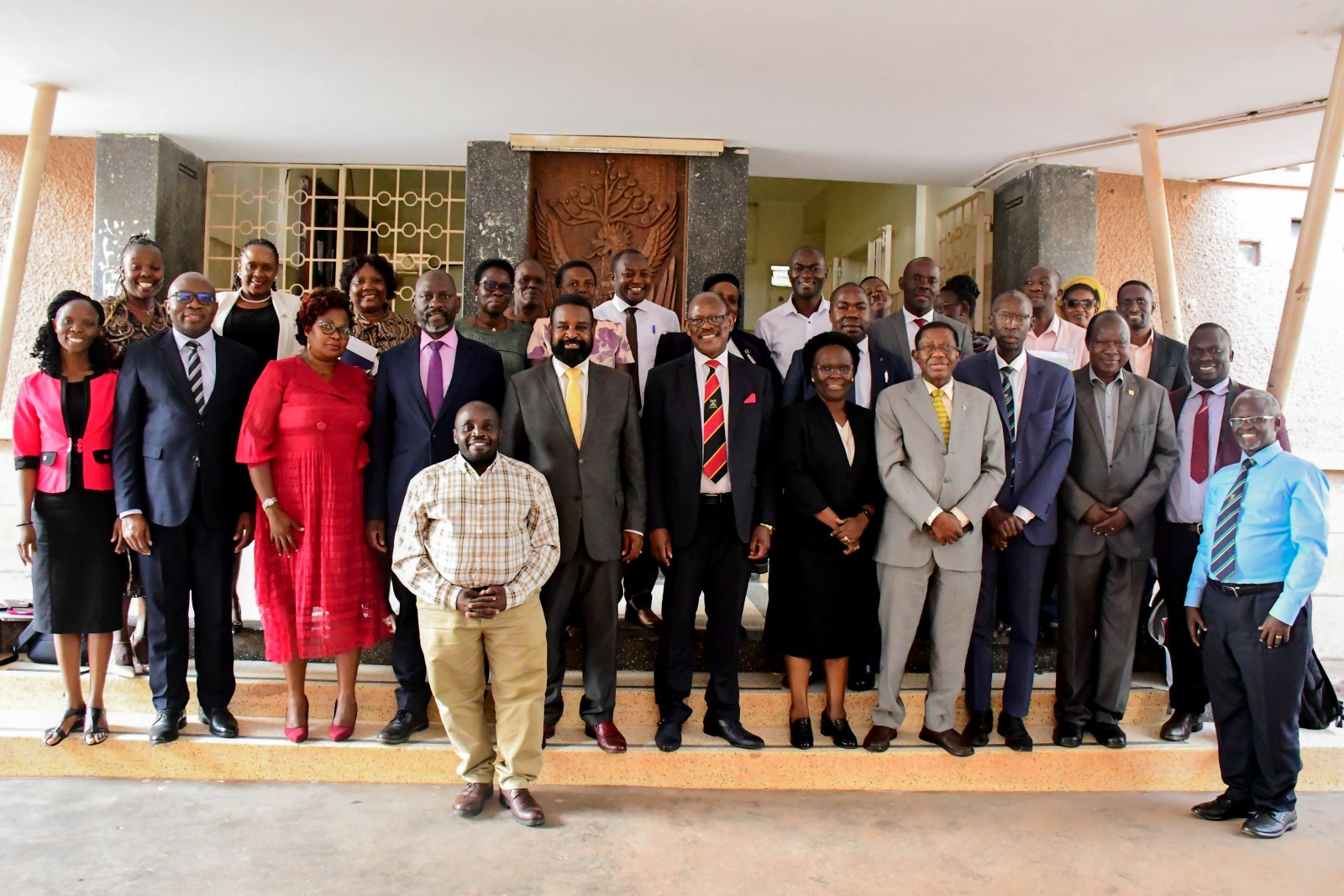
June 16, 2026: “Graduate Training, especially PhD production, is at the heart of Makerere University’s strategy for growth, national transformation and Africa’s development,” stated Prof. Barnabas Nawangwe, the Vice Chancellor.
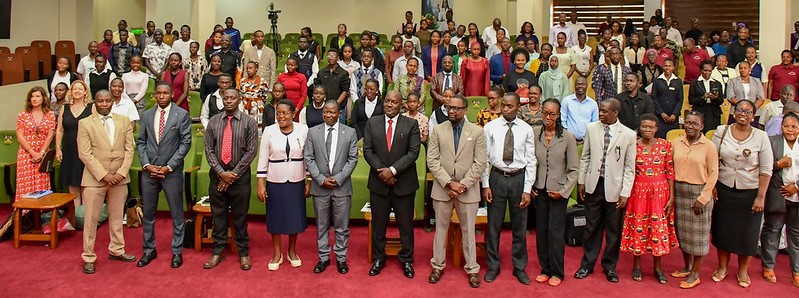
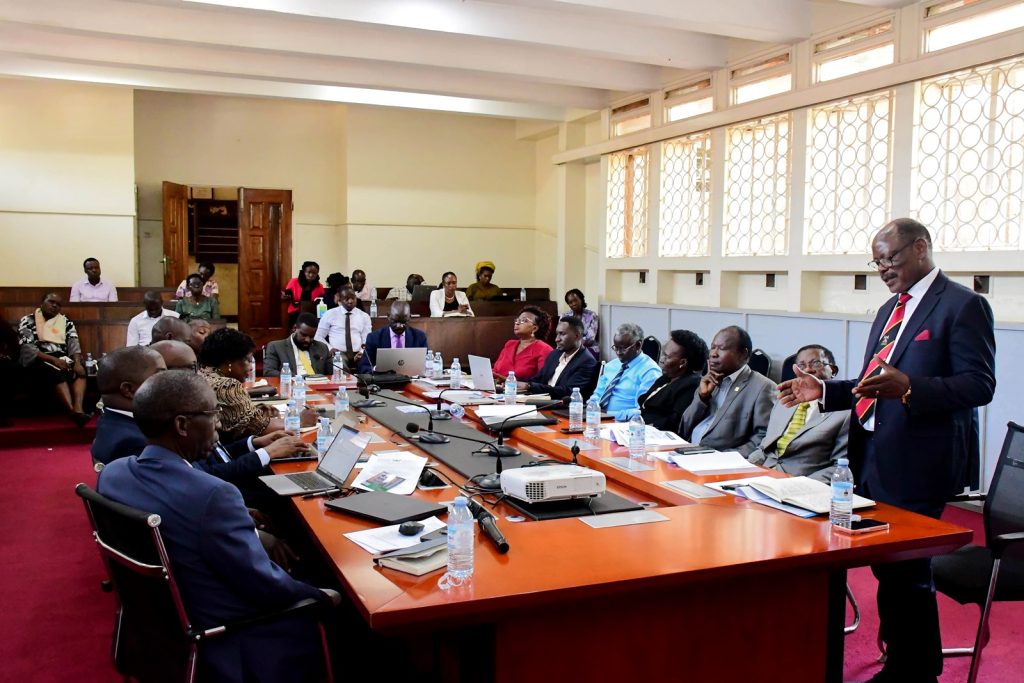
The Vice Chancellor made the pronouncement during his visit to the College of Education and External Studies (CEES) on Tuesday 16th June 2026. The meeting which started at 2:00pm, focused on strengthening graduate training and research at Makerere University, and positioning CEES as the leading centre for graduate training and educational research in Africa.
This discourse comes at a time when Pan-Africanists, the African Union, governments, universities and research institutions, are pushing for the dominant role of Africa in research and development. To realise this agenda, one of the key targets involves the training of 1 million PhDs in the next 10 years.
The strategic plan stipulates the transition of Makerere University into a research-led institution, a strategic direction that positions the University, to significantly contribute to Africa’s development and transformation through graduate training, research, innovations and community impact.
“Africa must train 1 million PhDs in the next 10 years. Makerere University must lead and make its impact. Graduate Training is our core strategy for the future. We must significantly increase graduate student numbers. We have the expertise and academic strength to train many more, with strict adherence to quality assurance and academic standards,” said the Vice Chancellor.
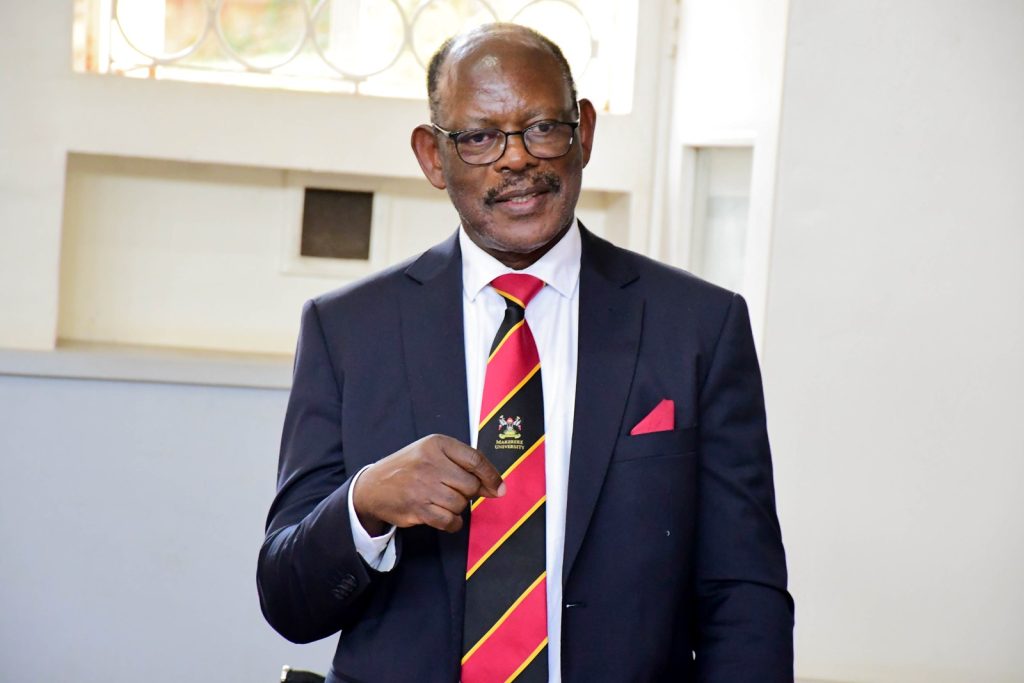
The Vice Chancellor’s engagement with faculty and staff on PhD training is focused on the need to consolidate the gains, so far achieved. At the 76th graduation ceremony of Makerere University (24th to 27thFebruary 2026), a total of 213 students graduated with PhDs. Out of these, the College of Education and External Studies presented the highest number, with a record of 27 PhD graduates.
Acknowledging the positive contribution of CEES to PhD training, the Vice Chancellor’s engagement with the college leadership, faculty, researchers and staff was aimed at leveraging this strength to support higher education development in Africa.
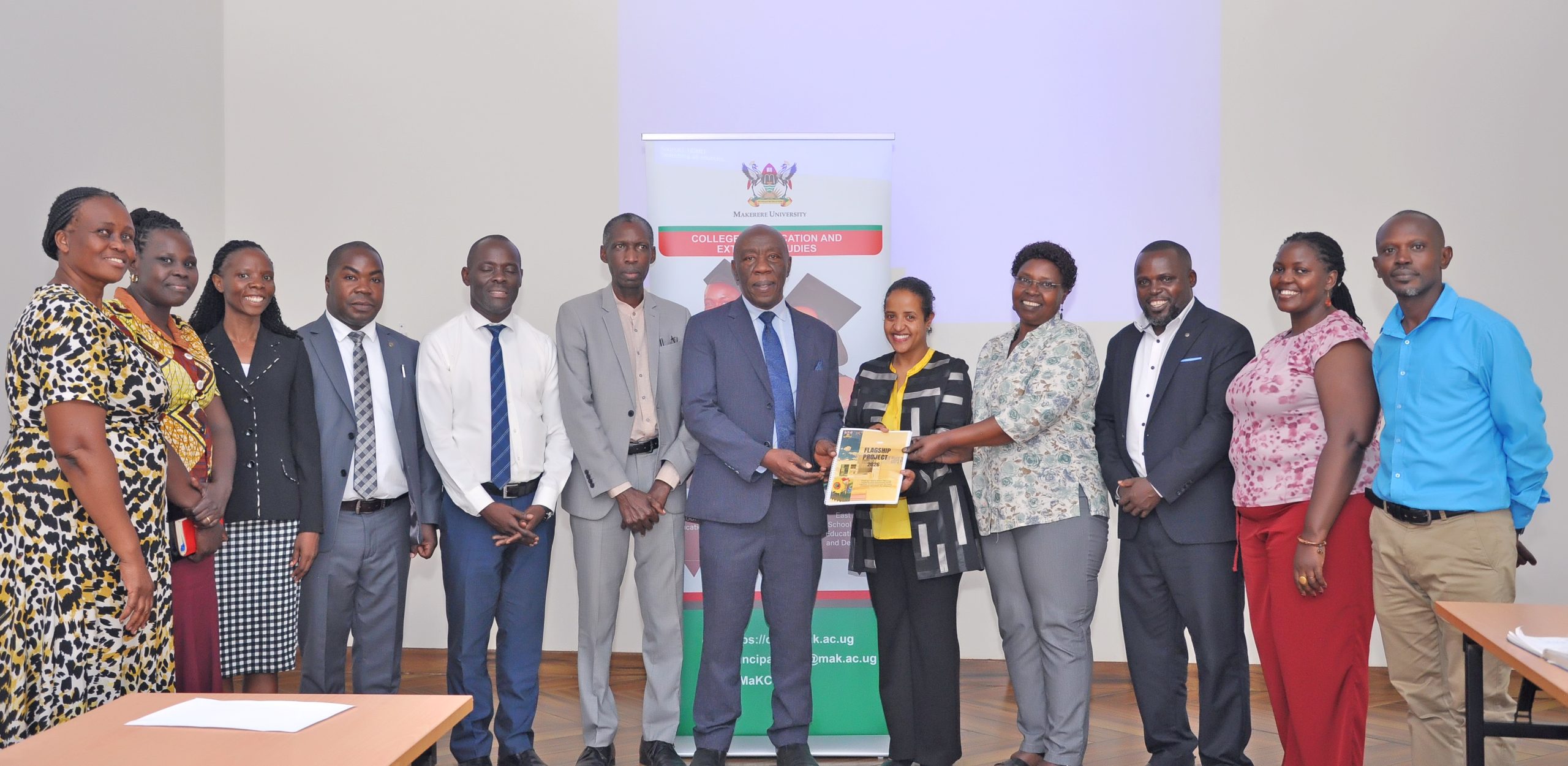
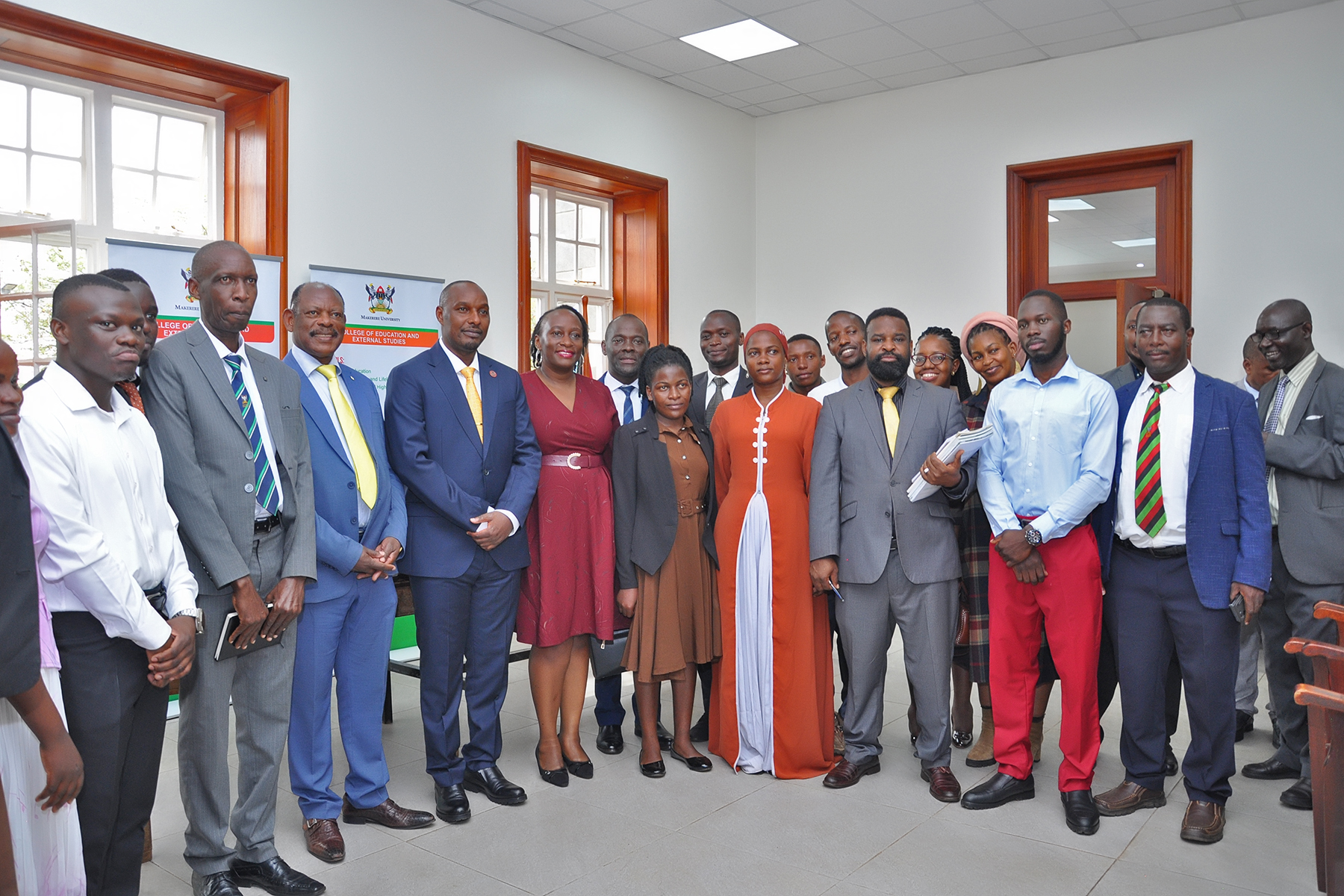
At the College level, the meeting brought onboard, Prof. Anthony M. Mugagga-Principal, Prof. Ronald Bisaso-Deputy Principal, Associate Prof. Mathias Mulumba Bwanika, Dean-School of Education, Dr. Harriet Nabushawo, Dean-School of Distance and Lifelong Learning, Associate Prof. Jude Ssempebwa-Dean, East African School of Higher Education Studies and Development, Heads of Departments, Teaching and Research Centres, Coordinators of Graduate Training, Senior faculty, researchers and staff.
At the University level, given the centrality of CEES to Makerere University’s mission of advancing knowledge, building capacity, and transforming lives, the meeting attracted the following University Officials who enriched the discourse on graduate training and research: Prof. Henry Alinaitwe- Deputy Vice Chancellor (Finance and Administration), Prof. Buyinza Mukadasi-Academic Registrar, Prof. Julius Kikooma-Director, Graduate Training, Prof. Robert Wamala-Director, Research, Innovations and Partnerships, Prof. Sylvia A.N. Nannyonga-Tamusuza-Head, Grants Administration and Management Support Unit (GAMSU), Associate Prof. William Tayeebwa-Managing Editor, Makerere University Press, Dr. Margaret Nagwovuma-representative from the Makerere University Technology and Innovation Centre, Prof. Fredrick Jones Muyodi-Head of the Makerere University Writing Centre, Mr. Andrew Mwesigwa-from Makerere University Library, and Mr. Gordon Murangira-Personal Assistant to the Vice Chancellor.
Vice Chancellor’s presentation to CEES
Prof. Nawangwe appreciated the College for championing the Competence-Based Education (CBC) agenda at Makerere University, other Universities in Uganda, and in the region. He commended the School of Education for training staff in teaching pedagogy, which is a core component in the delivery of teaching and learning at Makerere University.
Prof. Nawangwe’s presentation highlighted the following: Graduate training as a core strategy, the central role of CEES and teachers to national transformation, enabling increase in graduate student enrolment through online and flexible learning (IODel), adherence to quality assurance and academic standards, positioning Makerere as a continental leader, resource mobilization and sustainability.
CEES and national transformation
The Vice Chancellor reiterated the central role of preparing quality teachers and education professionals. “Teachers are critical to the nation. If we transform teachers, we transform the nation. Quality teacher education must be at the heart of what we do,” he stressed.
Online and Flexible Learning
Acknowledging the reality that many teachers and working professionals cannot leave their jobs to study, the Vice Chancellor called for the expansion of online and blended programmes. “Online and flexible learning will enable more people to study while staying where they are. This will significantly increase access and enrolment,” he said.
Resource mobilization and Sustainability
Submitting that growth requires adequate resources, the Vice Chancellor called upon staff and researchers to attract more partnerships, grants and subscriptions. He stated that increased enrolment and innovative programmes will strengthen sustainability.
Envisioning the desired future
According to the Vice Chancellor, if the College of Education and External Studies implements the aforementioned strategies, more PhDs will be trained, more teachers and professionals will be upskilled, online programmes will lead to greater access to education, stronger research output and impact will be registered, and as such, Makerere University will be recognized as Africa’s graduate training hub.
CEES Principal presents report on graduate training and research
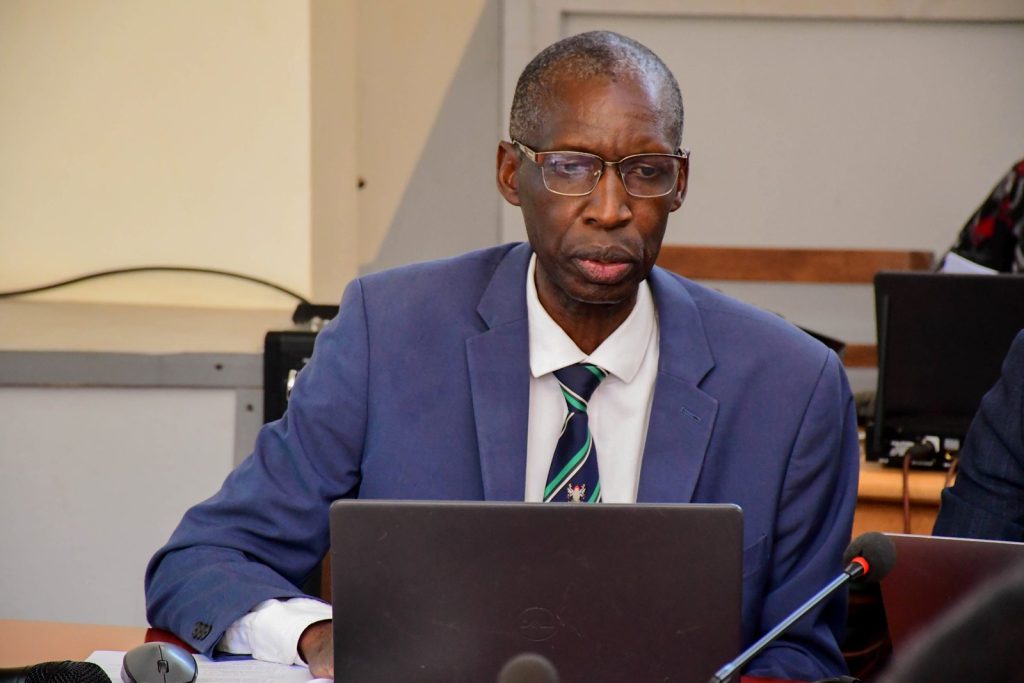
Renowned for his consultative and team-building approach, the Principal, Prof. Mugagga engaged staff and the various research teams, during the preparation for the Vice Chancellor’s visit to the College. Consequently, on 14th May 2026, staff and researchers, convened in the CEES Smart Room, to discuss and provide input, into the proposed College’s presentation on research and graduate training. The members of staff agreed that the College’s presentation to the Vice Chancellor should feature the following: Graduate Training and Research at CEES, Research Priorities, Schools, Institutes and Centres, CEES Research and Graduate Training Strategy, Journals at CEES, the Books Project, Funding Challenges, Teaching, Learning and Quality Assurance, Knowledge Transfer Partnerships and Networking.
Principal presents CEES Research Priorities
Welcoming the Vice Chancellor and his delegation, the Principal mentioned that 16th June 2026, will be remembered as a special and historic day at CEES, with respect to the execution of graduate training and research.
Pleased to share a detailed report with input from staff and various research teams, the Principal outlined the following research priorities:
- Graduate Training and Research (GTR)
- Competence Based Education (CBC)
- Inclusive Education
- Teacher Wellbeing and Mental Health
- Educational Technology
- Science, Technology, Engineering and Mathematics (STEM)
- Technical, Vocational Education and Training (TVET)
- Early Childhood Education and Development
Artificial Information (AI) Centre, and Development of Play materials for Children
On behalf of the College, Prof. Mugagga expressed the commitment of CEES to set up an AI Centre, as well as, developing of play materials that are crucial in the children’s formative years, early child education, nursery and primary school levels. To appreciate this strategic approach, Prof. Mugagga called upon the Vice Chancellor and the University officials to read the works titled: The Challenges of Play materials in rural Uganda.
CEES Research and Graduate Training Strategy
The Principal presented that the College had embarked on a wide plan to build a robust research-culture promoting practitioner action research and aligning graduate programs with macro policies such as the Competence-Based Curriculum (CBC) implementation, inclusive education, teacher well-being and mental health, the National Teacher Education Policy 2019, Uganda’s Early Childhood Care and Education (ECCE) Policy 2026, the National Development Plan (NDP IV), Uganda’s Vision 2040 agenda, plus other relevant global policies such as the Sustainable Development Goals-UN SDGs Agenda, and the Makerere University Strategic Plan.
Research Institutes and Centres
The Principal reported that the following institutes and centres are crucial in the promotion of graduate training activities and research: Makerere Institute of Teacher Education and Research (MITER), Centre for Teaching and Learning Support (CTLS), Makerere University Early Childhood Care and Education Research Centre, The Centre for Wisdom Pedagogy (CWP), The Centre for Lifelong Learning (CLL), and the Institute of Open, Distance and e-Learning (IODel).
Research Outputs and Projects
The Principal outlined some of the following research outputs and projects: Competence-Education Blueprint designed to transition higher education regulators and universities toward CBE in East and West Africa, MiSet Project-Mindset Change and Social Economic Transformation from the People’s World, PhD Pedagogy and Mapping, Department of Adult and Continuing Research Seminar Series, Online postgraduate diploma in Education and the ongoing curriculum development steps, CEES and the National Council for Higher Education are implementing the TRUCE project (funded by the European Union) to transition East and West African Universities to Competence Based Education, Competence-Based Curriculum (CBC) Exhibition, and School Stakeholders Workshop.
Books Project and Journals at CEES
The meeting noted that in partnership with the Makerere University Press (MakPress) several books on different disciplines have been authored by CEES faculty members, and old journals in the Education Journals are being revitalized. The MakPress scans the old journals, applies for the ISSN, and ensures that articles are given the digital object identifier.
The College Journals include:
Makerere Journal of Higher Education (MAJOHE) (ISSN: 1816-6822 [print]; 2707-6113 https://www.ajol.info/index.php/majohe
Makerere University Journal of Research and Innovations in Teacher Education (RITE) https://rite.mak.ac.ug/editorial-board
The College is also in advanced stages of re-establishing the Uganda Journal of Education.
Key Challenges affecting graduate training and research at CEES
The Principal reported that the desire for CEES to become a graduate training hub is constrained by the following factors: Low staffing levels, financial constraints, and overwhelming workload for staff with respect to teaching, learning and supervision.
Low staffing levels: CEES faces a challenge of under-staffing in both academic and administrative units.
Financial constraints: “The budget is inadequate. We are running the same budget for the last five years, yet the College has new programmes, and subject areas, which have raised the undergraduate student numbers by almost 1000 more students,” he revealed.
Overwhelming supervision workload: Each supervisor at CEES has over 16 PhD and Masters’ students to supervise. The overwhelming workload for staff in teaching and learning affects time dedicated to research and supervision. In addition, “Graduate supervision is not officially considered as a teaching load except during promotion or at post retirement contract.”
Wrapping Up
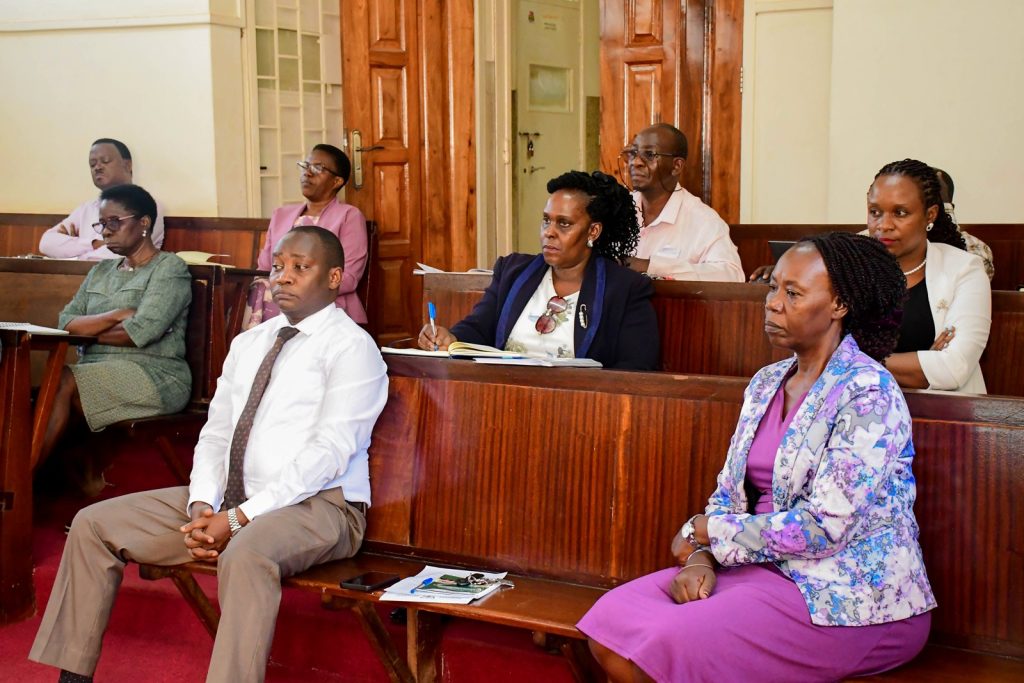
After listening to the detailed presentation by the CEES Principal, and the brief reports from the ten (10) offices/entities, which indicated the existing working relationship with the College, the Vice Chancellor congratulated the College leadership and staff upon the milestones in teaching and learning, research, graduate training, teacher education, and knowledge transfer partnerships.
Responding to the issue of graduate financing, the Vice Chancellor revealed that he had noted the concerns raised in the College’s presentation, and pointed out that the views therein will enrich his submission to government as he puts across a strong case for funding.
The Vice Chancellor informed the faculty members at the College that the University Management had embarked on discussions and consultations aimed at providing incentives to staff who supervise PhD students. “The issue of incentivizing staff who supervise PhD students is being discussed by the University Management. We will prioritize this key component of graduate training,” he said.
On the issue of limited space for graduate students, and their supervisors, the Vice Chancellor informed the meeting, that this was being addressed through the USD 8 million investment building for graduate training and research (being constructed opposite Lumumba Hall of Residence).
Vote of Thanks
The Deputy Principal, Prof. Ronald Bisaso, expressed the readiness of the College to continue working with the University leadership, staff and stakeholders to align CEES programmes with the University-led agenda.
“We commit to do much better. We commit to engage with the various Offices to propel the Makerere University research-led agenda. We will continue to be intentional on graduate training and research,” he said.
East African School of Higher Education Studies and Development
The meeting climaxed with a brief tour the Vice Chancellor, and the University Management Members, to the East African School of Higher Education Studies and Development. Spearheaded by the Dean, Associate Prof. Jude Ssempebwa, the engagement at this particular entity, focused on gaining a deeper understanding and appreciation of the mandate of the East African School of Higher Education Studies and Development in graduate training and research.
Conclusion
The meeting which underscored the centrality of the College of Education and External Studies (CEES) to Makerere University’s mission of advancing knowledge, buildiWrapping Up
After listening to the detailed presentation by the CEES Principal, and the brief reports from the ten (10) offices/entities, which indicated the existing working relationship with the College, the Vice Chancellor congratulated the College leadership and staff upon the milestones in teaching and learning, research, graduate training, teacher education, and knowledge transfer partnerships.
Responding to the issue of graduate financing, the Vice Chancellor revealed that he had noted the concerns raised in the College’s presentation, and pointed out that the views therein will enrich his submission to government as he puts across a strong case for funding.
The Vice Chancellor informed the faculty members at the College that the University Management had embarked on discussions and consultations aimed at providing incentives to staff who supervise PhD students. “The issue of incentivizing staff who supervise PhD students is being discussed by the University Management. We will prioritize this key component of graduate training,” he said.
On the issue of limited space for graduate students, and their supervisors, the Vice Chancellor informed the meeting, that this was being addressed through the USD 8 million investment building for graduate training and research (being constructed opposite Lumumba Hall of Residence).
Vote of Thanks
The Deputy Principal, Prof. Ronald Bisaso, expressed the readiness of the College to continue working with the University leadership, staff and stakeholders to align CEES programmes with the University-led agenda.
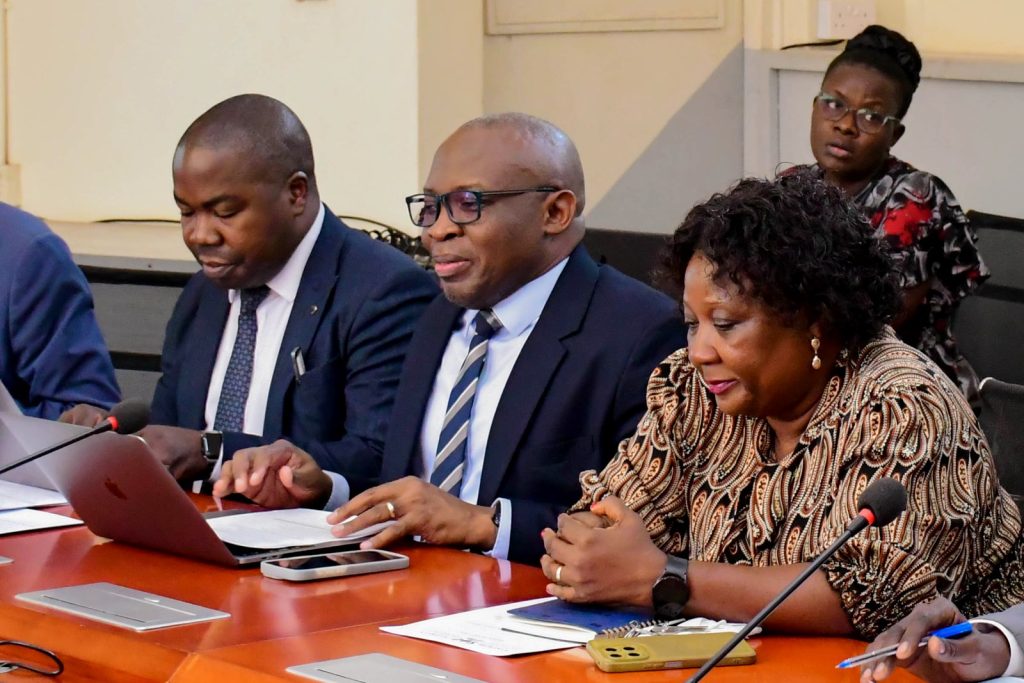
“We commit to do much better. We commit to engage with the various Offices to propel the Makerere University research-led agenda. We will continue to be intentional on graduate training and research,” he said.
East African School of Higher Education Studies and Development
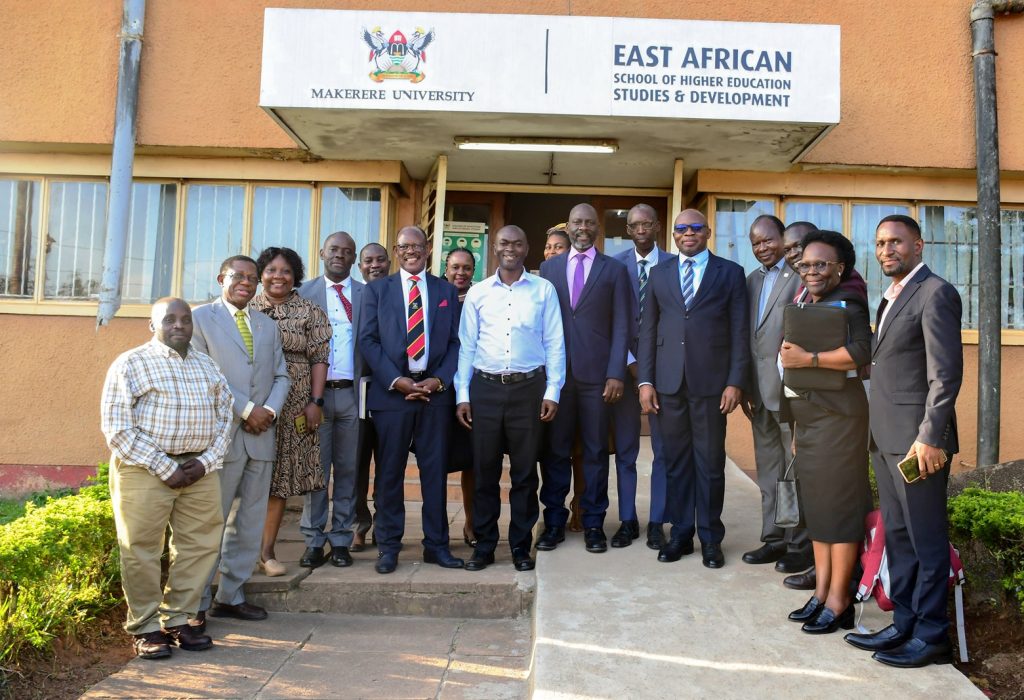
The meeting climaxed with a brief tour the Vice Chancellor, and the University Management Members, to the East African School of Higher Education Studies and Development. Spearheaded by the Dean, Associate Prof. Jude Ssempebwa, the engagement at this particular entity, focused on gaining a deeper understanding and appreciation of the mandate of the East African School of Higher Education Studies and Development in graduate training and research.
Conclusion
The meeting which underscored the centrality of the College of Education and External Studies (CEES) to Makerere University’s mission of advancing knowledge, building capacity, and transforming lives ended at 6:00pm.ng capacity, and transforming lives ended at 6:00pm.