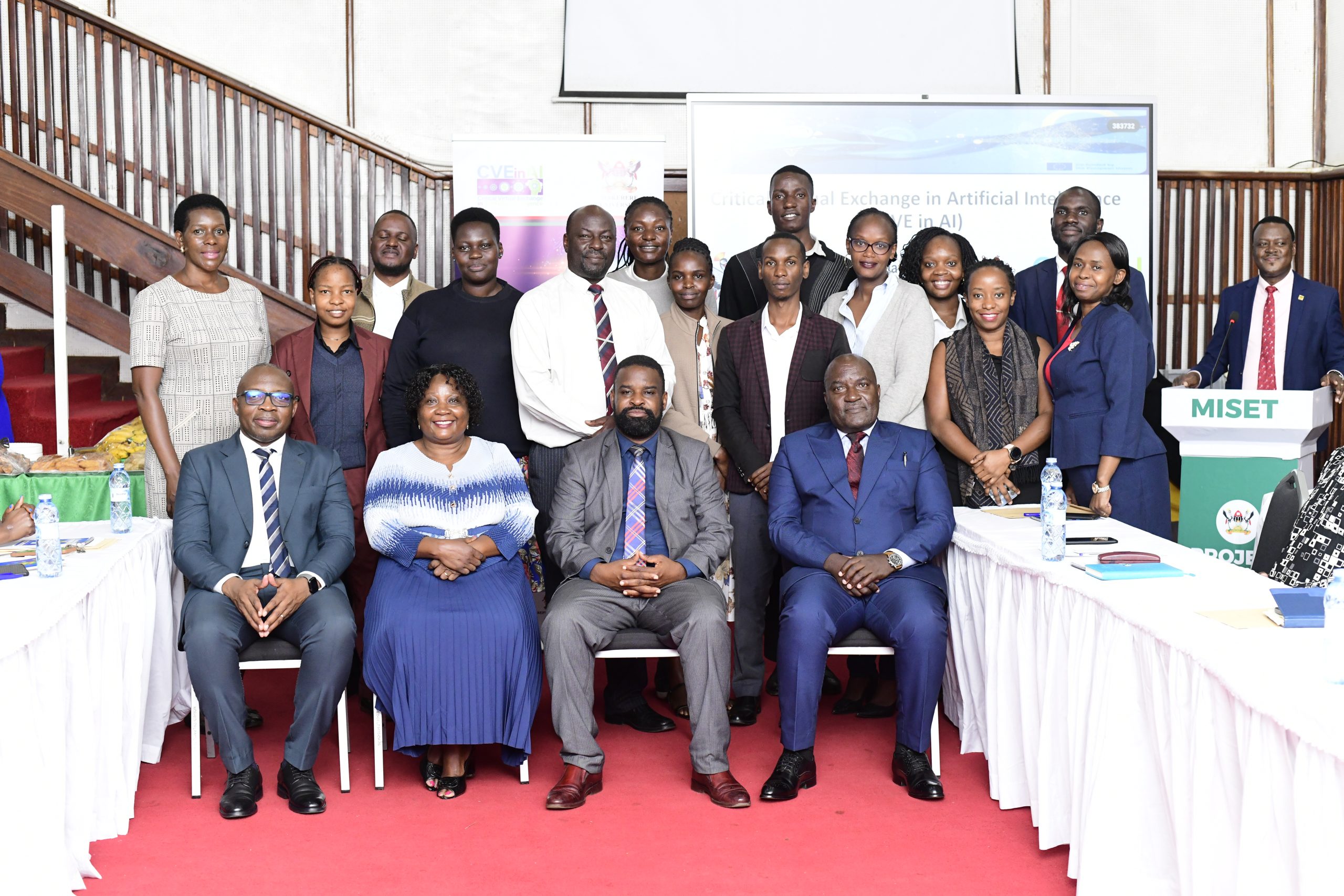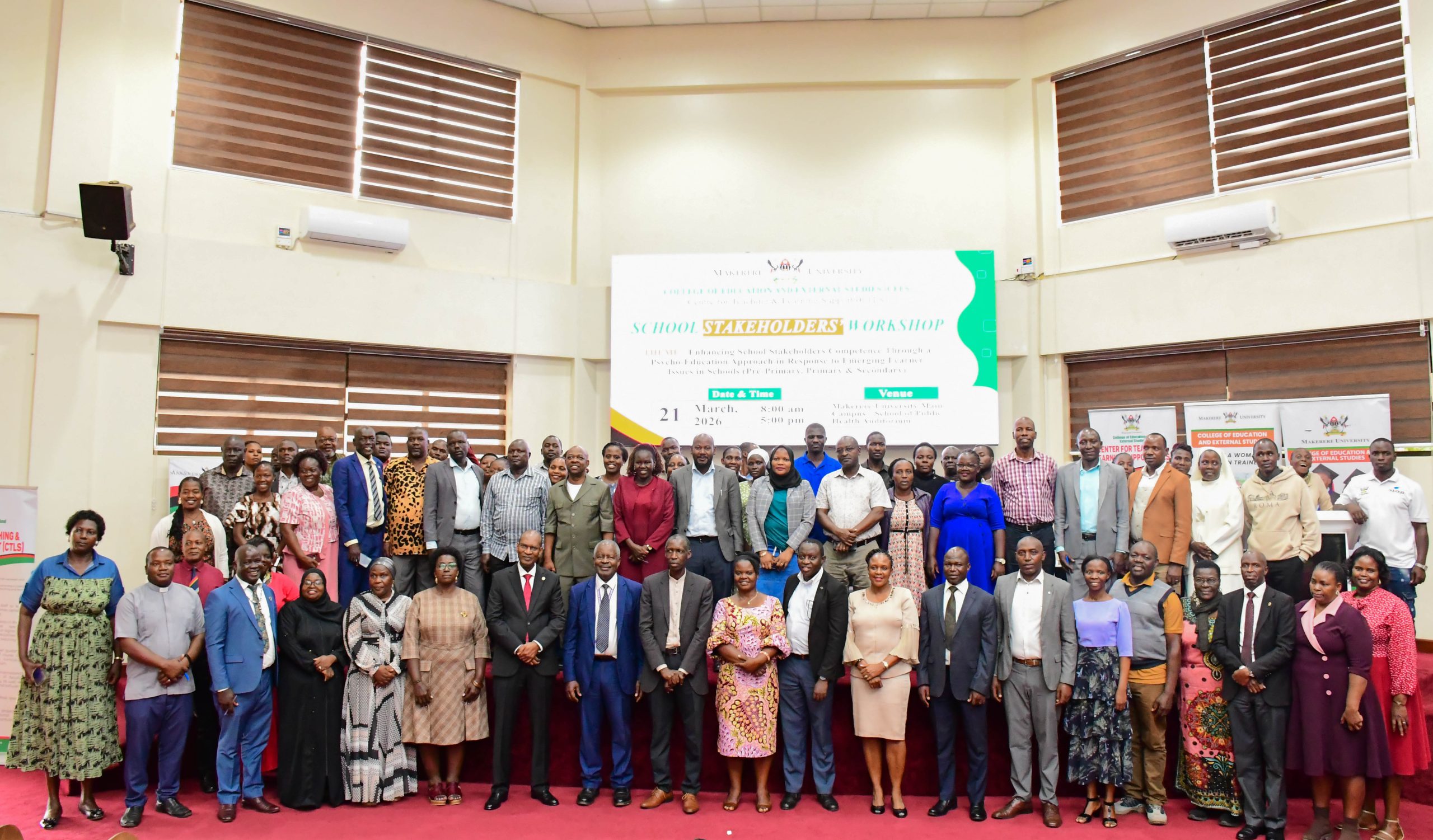

On 17th December 2025, a Delphi workshop was convened at Kampala Kolping Hotel, providing a collaborative platform for dialogue on standardisation and harmonisation of Higher Education Access Programmes (HEAP) across institutions, alongside strategies for portability and verification on demand through a HEAP Digital Passport. Discussions centered on accreditation, diversification of delivery and learner support, and future scenarios for HEAP and Connected Education.
Expert panelists underscored the urgent need for:
- Standardised HEAP frameworks across universities to ensure consistency in admission pathways.
- Harmonisation of HEAP curricula, duration, and procedures to eliminate barriers that hinder access and transition.
- Development of a HEAP Digital Passport enabling portability of credentials, secure digital verification, and integration with national qualification frameworks and international recognition systems.
Uganda, is one of the leading refugee-hosting countries with inclusive education policies, faces challenges in ensuring equitable access and participation for students with refugee backgrounds. While some universities offer HEAP as a bridging programme for marginalized learners, variations in programme design, delivery, and support systems still exist, which may lead to violations of accreditation. This calls for urgent standardisation and harmonisation to strengthen HEAP as a recognized transitional pathway into higher education. Funded by Education Beyond Borders, researchers from Makerere University and the University of Edinburgh engaged stakeholders from public and private universities in Uganda through participatory workshops and expert meetings. This Delphi Workshop aimed providing a collaborative platform for dialogue on standardisation and harmonisation of Higher Education Access Programmes (HEAP) across institutions, alongside strategies for portability and verification on demand through a HEAP Digital Passport. Discussions centered on accreditation, diversification of delivery and learner support, and future scenarios for HEAP and Connected Education. The project is led by Dr. Rovincer Najjuma (Principal Investigator), with co-PIs Dr. Rebecca Nambi and Dr. Michael Gallagher
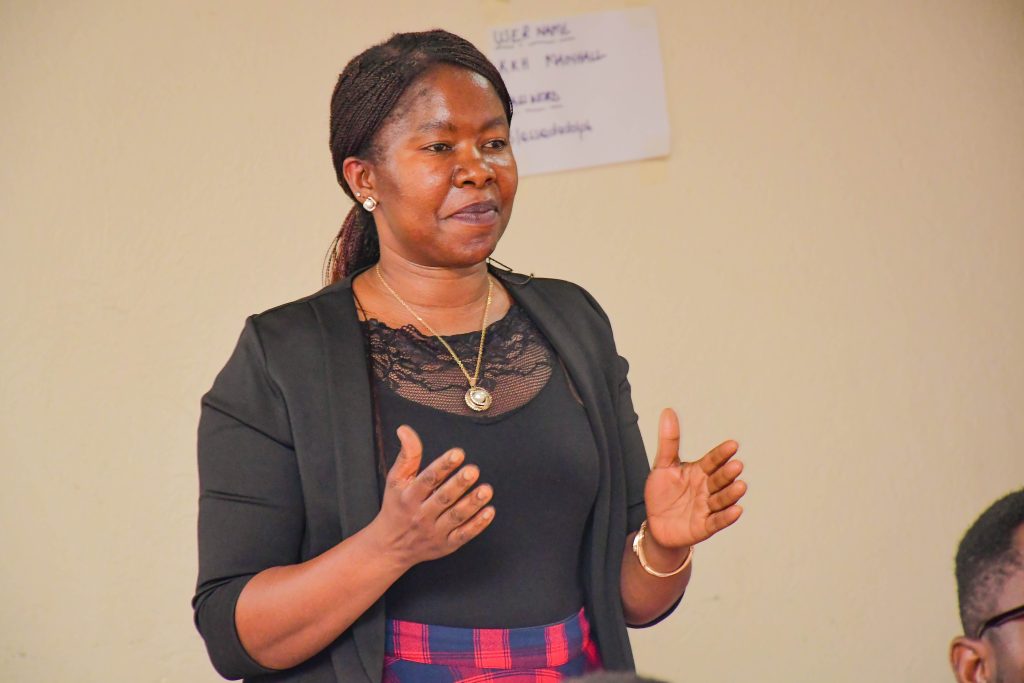
Funded by Education Beyond Borders, researchers from Makerere University and the University of Edinburgh engaged stakeholders from public and private universities in Uganda through participatory workshops and expert meetings. This Delphi Workshop aimed providing a collaborative platform for dialogue on standardisation and harmonisation of Higher Education Access Programmes (HEAP) across institutions, alongside strategies for portability and verification on demand through a HEAP Digital Passport. Discussions centered on accreditation, diversification of delivery and learner support, and future scenarios for HEAP and Connected Education. The project is led by Dr. Rovincer Najjuma (Principal Investigator), with co-PIs Dr. Rebecca Nambi and Dr. Michael Gallagher.
Listening to experiences and co-creating solutions

Opening the workshop, Dr. Rebecca Nambi, a Senior Lecturer at Makerere University and Co-Investigator of the project, emphasized that the engagement was not about formal presentations, but about listening to experiences of students with refugee backgrounds that have accessed Higher Education using the HEAP programme and co-creating solutions with Expert Panelists.
Highlighting the persistent disparities in refugee participation in higher education, Dr. Nambi explained that while global and national efforts often focus on primary and secondary education, higher education remains critically under-supported. Drawing on years of research, she observed that refugee participation in higher education has historically stood at three percent (3%), later improving to about seven percent (7%), leaving the highest number of refugees excluded.
“Where do they go if they do not transition to higher education?” she asked. “Who supports them and how do institutions respond when learners arrive with disrupted educational trajectories?”
Shift from mere documentation of marginalization and adversity to practical interventions
Dr. Nambi underscored the importance of moving beyond research that merely documents marginalization and adversity. She advocated for practical interventions that improve systems for people with refugee backgrounds and strengthening education for host communities. “Addressing refugee education is part of a broader global agenda shaped by migration, conflict, and labour mobility in several countries.”
Dr. Nambi emphasized that HEAP provides a legitimate pathway for students with refugee backgrounds, and the ongoing adjustments aim to align the program with national standards and student needs.
Central to the discussion was the concept of connected learning, which promotes flexible, blended, and digitally supported education pathways that link learners across institutions, resources, locations, and systems.
Referencing the Makerere University E-Learning Environment (MUELE) as a key enabler of digital and interactive learning between lecturers and students at Makerere University, Dr. Nambi urged other universities to explore such a digital approach to catalyze the delivery of HEAP programmes. She noted that connected education is not solely about technology, but about harmonization, recognition, and collaboration among universities and regulators.
Comparing public and private universities, Dr. Nambi observed that private universities often have more flexible access pathways, and urged that documentation of students’ experiences of HEAP is critical to understanding gaps in provision, delivery and support
“Much of our work has involved examining how Makerere University and other universities are handling access for vulnerable students. We want to document lived experiences, analyze what is working and what is not, and generate evidence that can inform policy and institutional practice,” Dr. Nambi explained.
HEAP Emerging Challenges, lived experiences and future
Moderating one of the key sessions, Dr. Rovincer Najjuma, the Principal Investigator and a Lecturer in Digital Education and the Global South at the University of Edinburgh, guided participants through delphi workshop activities; these included engaging panelists in articulating expectations, uncertainties’ and risks, and developing future scenarios for HEAP accreditation, diversification of delivery and support and connected education.

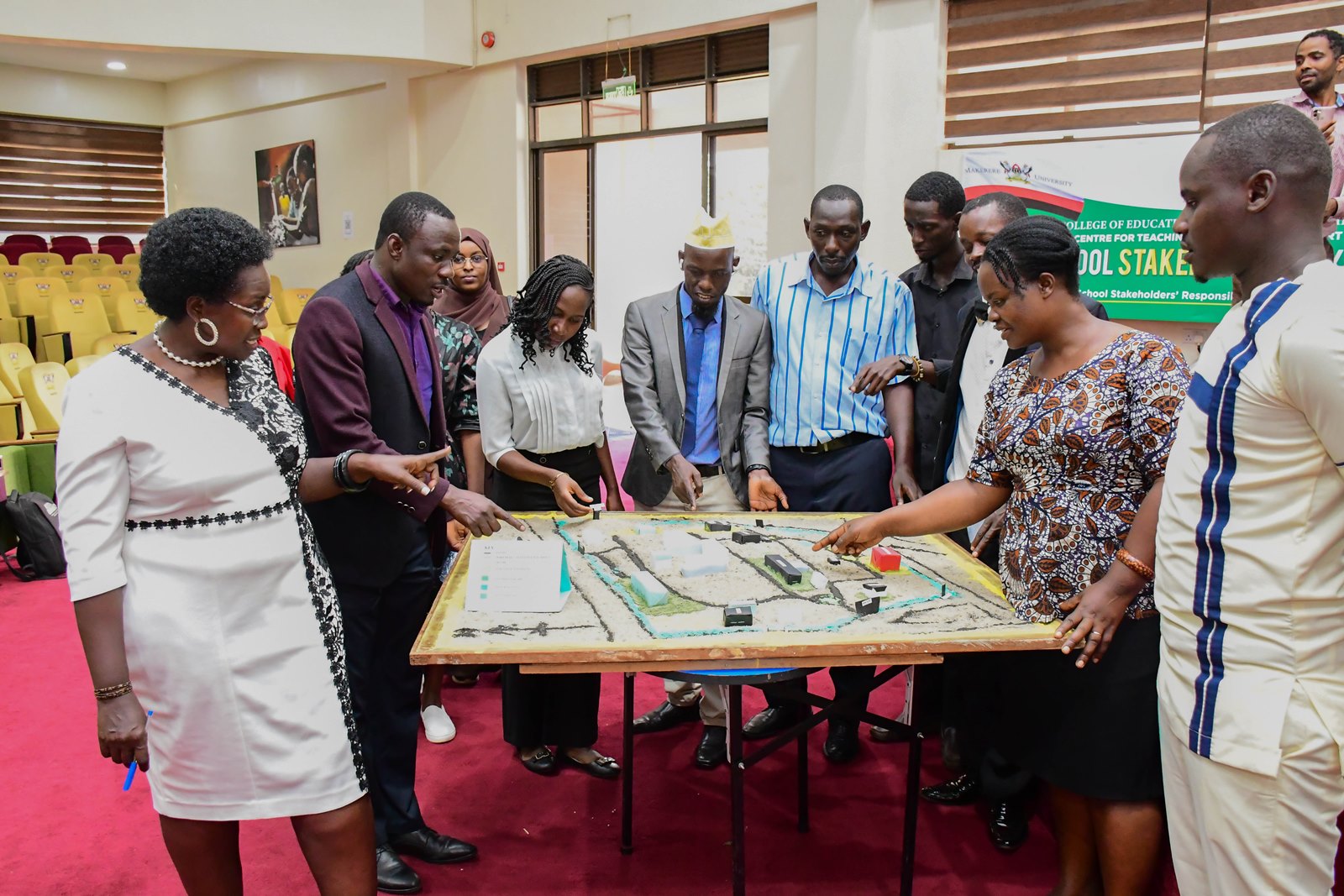
Using participatory methods, participants shared insights through post-it notes and group reflections, capturing perspectives from expert panelists, HEI administrators, and students with refugee backgrounds. Dr. Najjuma encouraged an open dialogue, ensuring that student voices, particularly those with refugee backgrounds were centred in the conversation by encouraging them to share their experiences and journeys of participating in HEAP programmes.
The panelists acknowledged that while the HEAC has changed the nomenclature from HEAC to HEAP, programmatic provisions need to evolve, to address the inconsistencies that remain with respect to how institutions implement HEAP, duration, curriculum, and transfer of HEAP credit across institutions. Panelists shared about the critical gaps in awareness, mentorship, orientation, and institutional readiness to implement HEAP in ways that support refugee learners effectively.
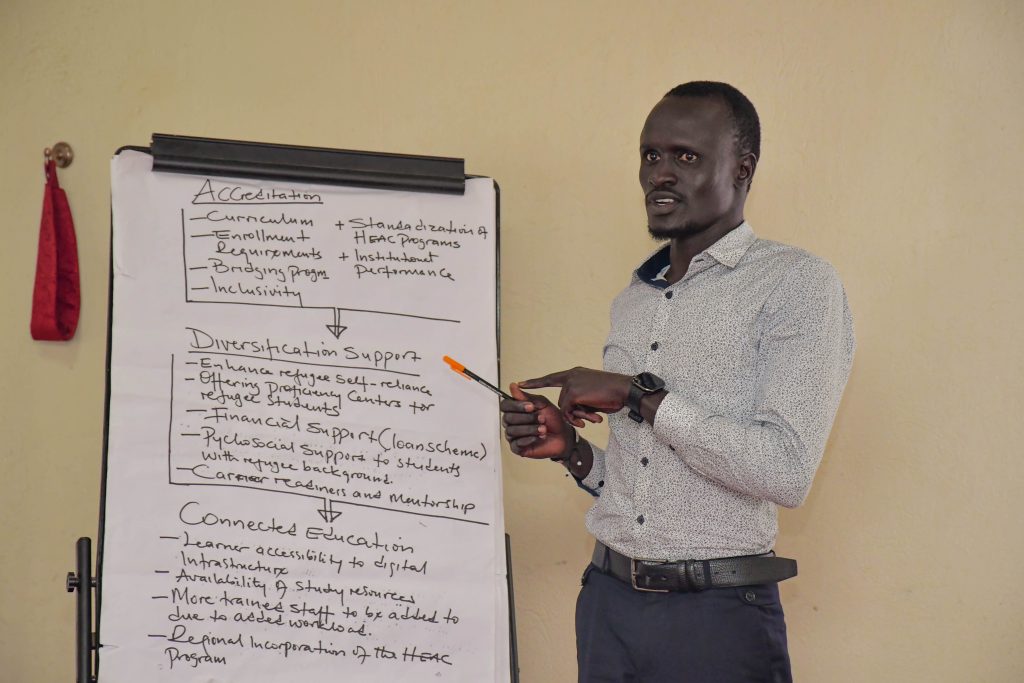
On the issues faced by students with refugee status, participants identified several recurring challenges affecting access to and participation in higher education. These included low awareness of the HEAP programmes, fragmented and uncoordinated information dissemination, and difficulties in credential recognition and transfer across institutions and country host-country education systems.
Students highlighted low self-esteem, identity struggles, and stigma, especially where access programmes are perceived as inferior to Advanced High School Certificates. They also cited financial barriers, limited digital access, mental health challenges, and lack of learner-centred teaching approaches.
Key outcomes from the workshop
Panelists outlined key expectations to strengthen access and participation, which included the development of a standardized national HEAP curriculum, with clear and uniform entry requirements, and seamless credit transfer across institutions and host countries, facilitated by the development of HEAP Digital Passport.
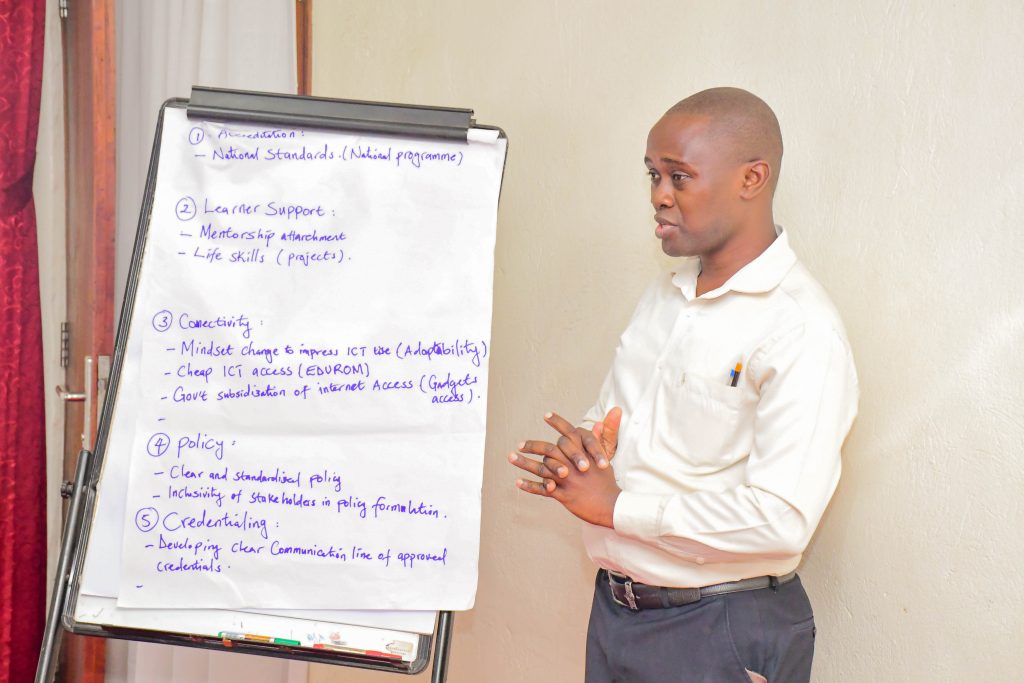
Mentorship emerged as a cornerstone of learner support, alongside extended orientation programmes, life skills training, and entrepreneurial education. Participants emphasized the need for blended and online learning, supported by affordable internet access and institutional investment in digital infrastructure.
Policy coherence, stakeholder engagement in policy formulation, and timely communication of reforms were identified as essential for successful implementation. Participants called for gender-sensitive curricula, student representation structures, humane and trauma-informed teaching staff, and adequate learning resources, including reference materials.
HEAP: A Structured Pathway to Higher Education
Dr. Gidraf Joseph Wanjala, Principal of the College of Education, Open and Distance Learning at Kampala International University, highlighted the evolution of access programs in Uganda.
“Historically, the higher education access framework was known as the Higher Education Access Certificate (HEAC). Last year, it was updated to the Higher Education Access Program (HEAP), reflecting a shift from a certificate to a full program, approved by the Ministry of Education and Sports,” Dr. Wanjala said.

He explained that HEAP provides structured pathways for students to progress from diploma to bachelor degree levels, from mature entry to degree programs, and from senior secondary school to higher education. “This program is inclusive of refugee students and all marginalized groups, provided there is funding and space. HEAP supports students not just academically, but also through orientation programs, mental health training, reproductive health education, and gender-responsive support,” Dr Wanjala stated.
Challenging Misconceptions
Dr. Derrick Ssekajugo, Chair of the Special Purpose Committee on Academics and Acting Principal of the College of Economics and Management at Kampala International University, addressed public misconceptions about HEAP.
“Some perceive HEAP—or previously HEAC—as only for students who could not succeed in secondary school. That is not the case. For instance, we have students who initially studied Education but through HEAP transitioned into medicine. Today, they are fully qualified professionals,” Dr. Ssekajugo said.
He also highlighted the pedagogical shift from teacher-centred to learner-centred approaches in secondary education and the need for universities to adapt. “Students entering HEAP come with diverse learning experiences, and universities must adjust to integrate them effectively into competency-based programs,” he noted.
Dr. Ssekajugo added that benchmarking with both local and international institutions is critical to identify gaps and best practices, which inform ongoing program improvements and policy reforms.
HEAP and standardization, accessibility and inclusivity
Sharing their vision for HEAP, panelists recommended standardization, accessibility, inclusivity and foundational nature of HEAP. They advocated for a competence-based HEAP, with a standardized curriculum, offline and online access to resource books and materials, diversification of delivery and support through blended learning and a HEAP Digital Passport for portability and verification on demand.