By Ritah Namisango and Monica Meeme
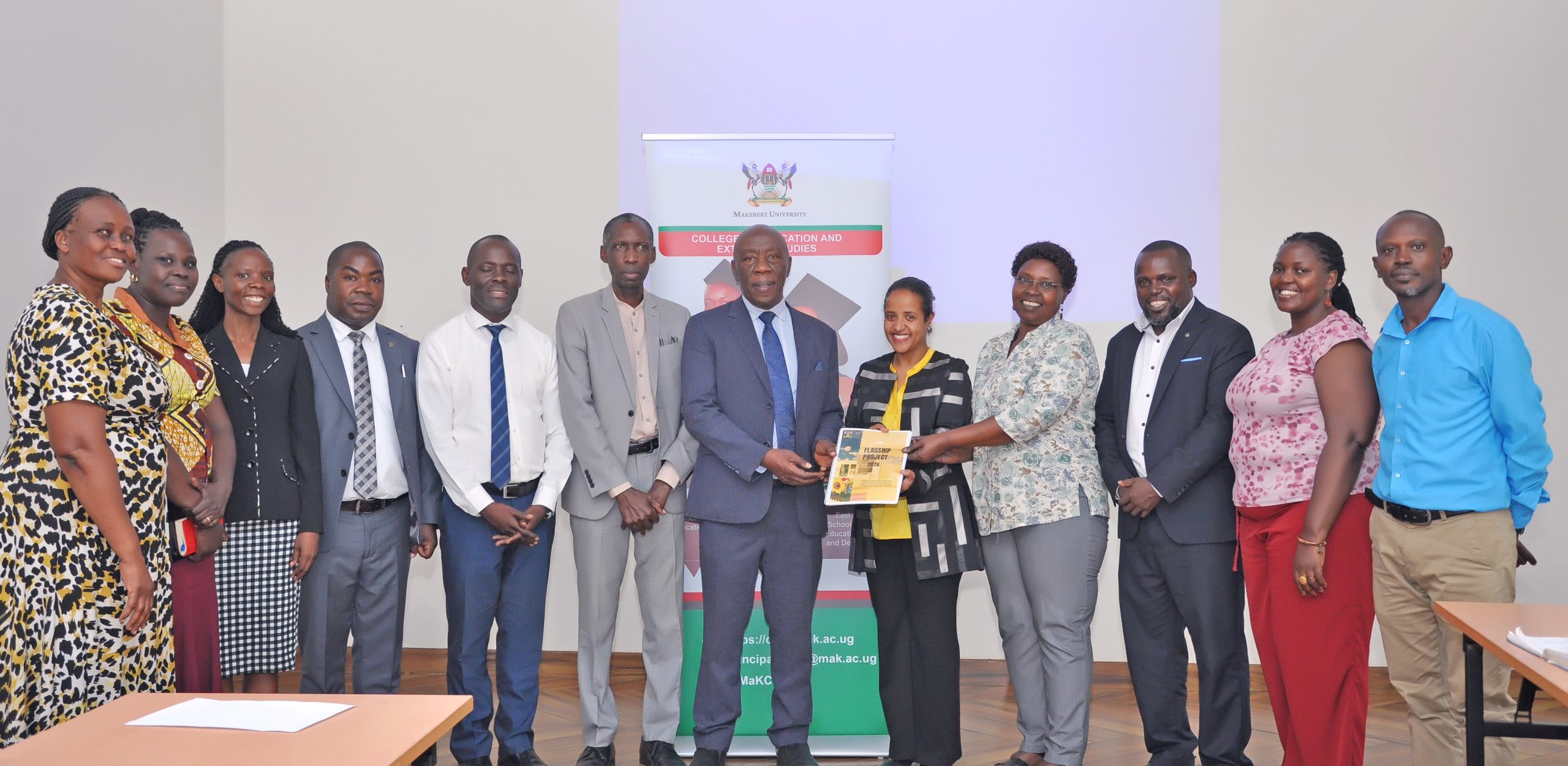
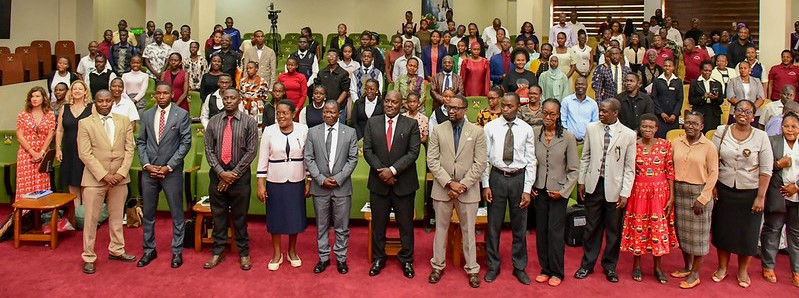
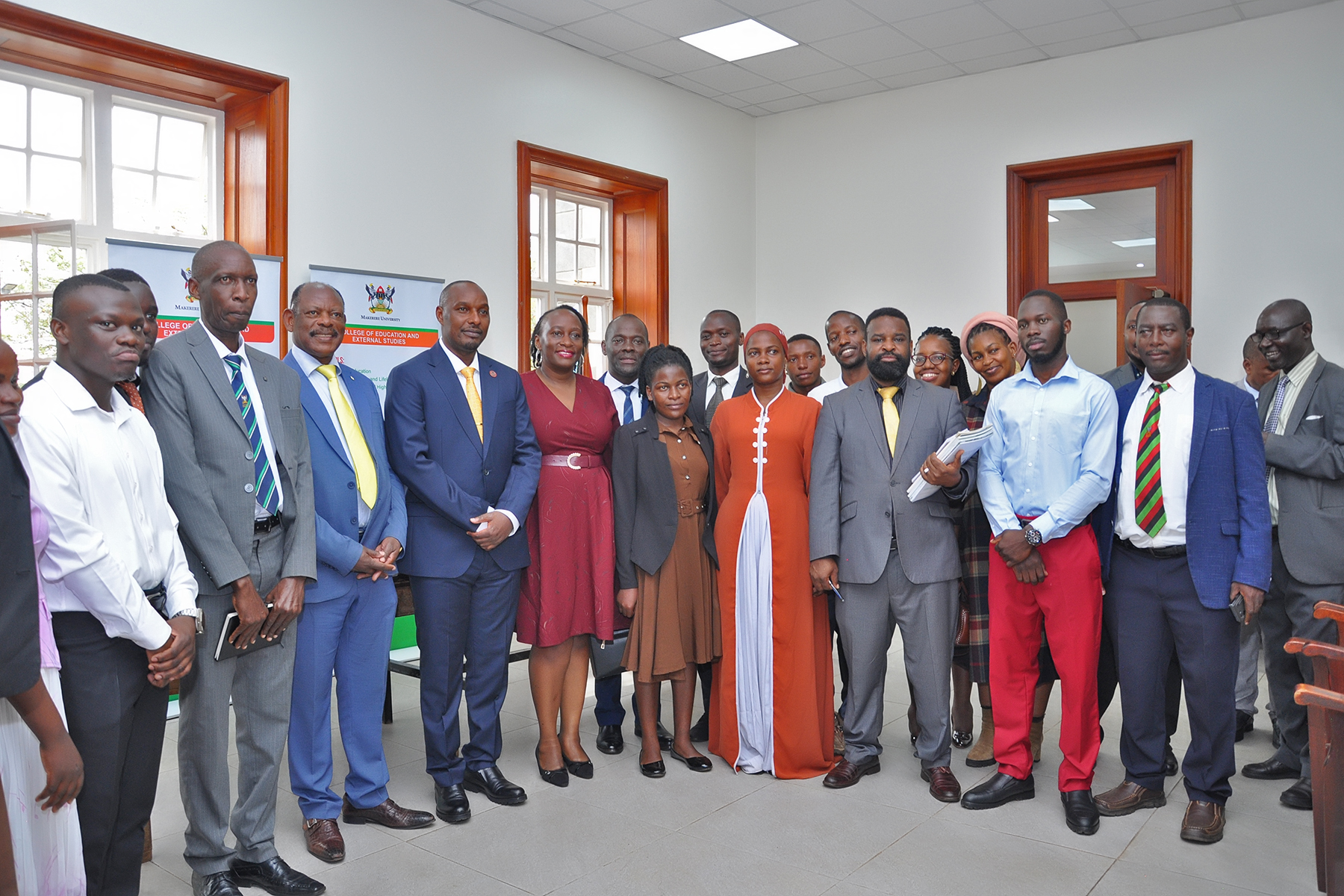
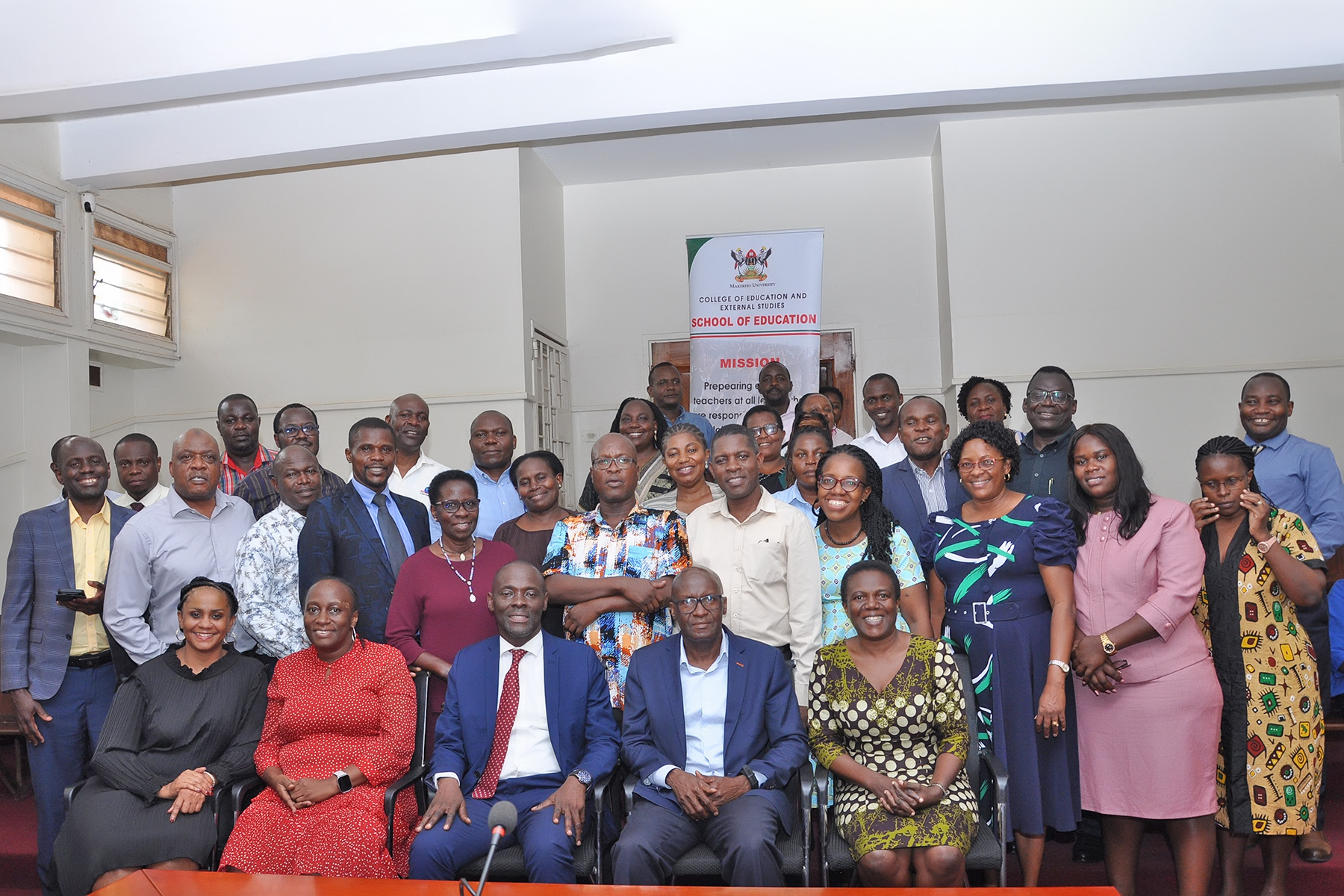
October 15, 2026: Academic staff at the School of Education under the College of Education and External Studies (CEES) have convened in significant numbers to participate in the two-day (15th and 16th October 2026) curriculum review workshop to align the undergraduate and graduate programmes with Competency-Based Education and Training (CBET), national education policies and regulatory requirements.
Organised by the School of Education, the workshop is aimed at strengthening the relevance, quality and effectiveness of teacher education by ensuring that academic programmes respond to evolving educational needs and national priorities.
The academic programmes under review include the:
- Bachelor of Education (Art-Secondary),
- Bachelor of Education (Science-Secondary),
- Bachelor of Education in Early Childhood Education (ECCE),
- Bachelor of Education (Primary),
- Bachelor of Education (External).
- At the graduate level, the curriculum review focuses on Masters of Education programmes under the Department of Foundations and Curriculum Studies, Department of Humanities and Language Education, and the Department of Science, Technical and Vocational Education.
Given the intensity of the exercise, on the first day of the workshop, the participants will focus on reviewing academic programmes from the Department of Foundations and Curriculum Studies. On the second day, they will concentrate on reviewing the academic programmes from the Department of Humanities and Language Education, and the Department of Science, Technical and Vocational Education.
Prioritize CBE-Aligned programmes, Vocational Education and NCHE standards
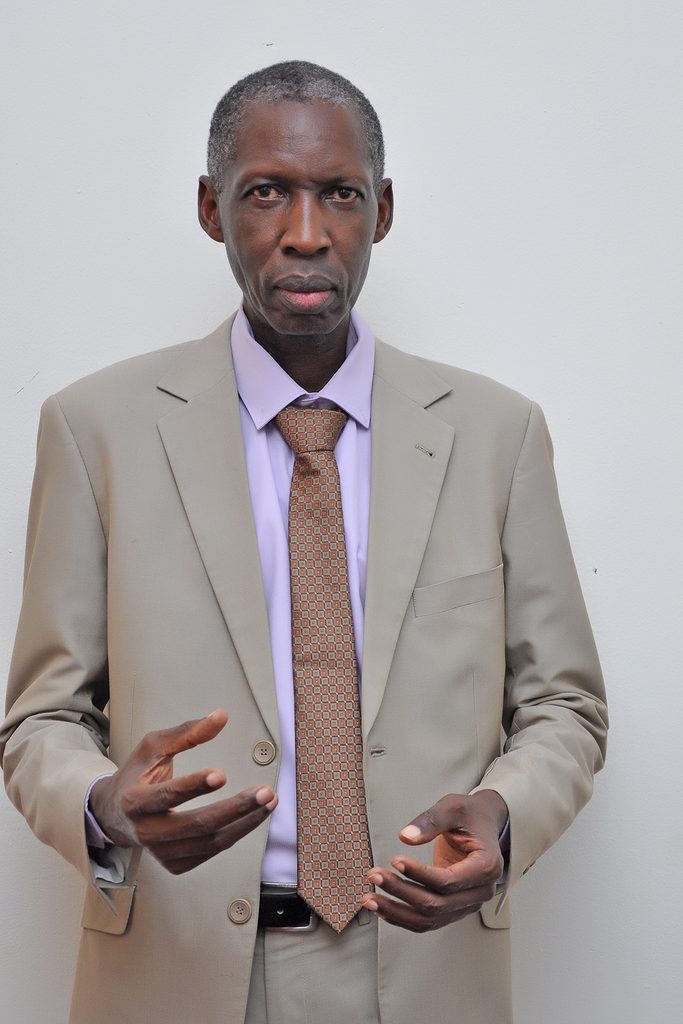
The Principal College of Education and External Studies (CEES), Professor Anthony Muwagga Mugagga commended staff for their outstanding work, particularly the Makerere University science exhibition held on 16th November 2026 during the maiden visit of the Minister of Science, Technology and Innovation, Hon. Eng. Dr Jonard Asiimwe.
Prof. Mugagga urged the participants to align academic programmes with the Competency-Based Education (CBE) model and the Uganda National Council for Higher Education (NCHE) policy framework.
With reference to the NCHE report, the College Principal stressed the need to establish the Special needs and educational psychology departments within the College of Educational and External Studies.
“We need to restructure departments in line with recommendations from the National Council for Higher Education report,” he emphasized.
He called upon the participants to prioritize Vocational and Technical education. In his submission, he advocated for the development of the Bachelor of Education (Vocational and Technical) and the Master of Education (Vocational and Technical).
At the graduate level, Prof. Mugagga proposed the introduction of the Master of Education (Music) and Master of Education (Arts and Crafts) programmes to broaden postgraduate training opportunities.
Makerere University Credit Transfer Policy
Prof. Mugagga informed participants that the University Senate had approved the Makerere University Credit Transfer Policy during its meeting held on 14th October 2026. He implored staff members to study the Credit Transfer policy and ensure its implementation across the College’s departments.
Aligning academic programmes with national teacher education standards

The Dean of the School of Education, Associate Professor Mathias Mulumba, highlighted that the curriculum review workshop follows guidance from the National Council for Higher Education (NCHE) regarding compliance with competency-based education standards and the National Teachers Policy.
“The review will focus on aligning programme titles, course content, teaching approaches and learning outcomes with the professional competencies required of teachers,” he noted.
He urged departments to integrate content and pedagogy into existing courses, develop new courses where necessary, and ensure that programmes comply with the Uganda higher education qualifications framework and other national standards.
Highlighting the key issues discussed during the University Senate proceedings, the Dean of the School of Education, emphasised the importance of collective effort and timely action in strengthening teacher education and ensuring that programmes meet the evolving needs of Uganda’s education sector.
He underscored the need to develop programmes that expose students to international institutions and promote global recognition. He also proposed establishing skills demonstration hubs in every training institution to equip learners with practical skills and strengthen vocational and technical education.
Presentation of the New Academic Programmes
During the workshop, Faculty members presented the proposed programmes developed through group work and consultations to align with CBET, national education policies and regulatory requirements.
Strengthen Competency-Based Secondary Teacher Education
Commencing her presentation of the “Bachelor of Education (Arts) Secondary Programme,” Dr Agnes Nabakiibi, a faculty member at the College of Education and External Studies (CEES), noted that the programme aims to prepare competent, reflective and responsible teachers for secondary education in Uganda and beyond.
She explained that the programme would integrate subject knowledge, pedagogy, digital learning, assessment, research and professional ethics to promote inclusive and competence-based education.
“The programme incorporates supervised school practice and a final integration project to equip student teachers with practical teaching and problem-solving skills,” she added.
Promote Early Childhood Education and Practical Teacher Training
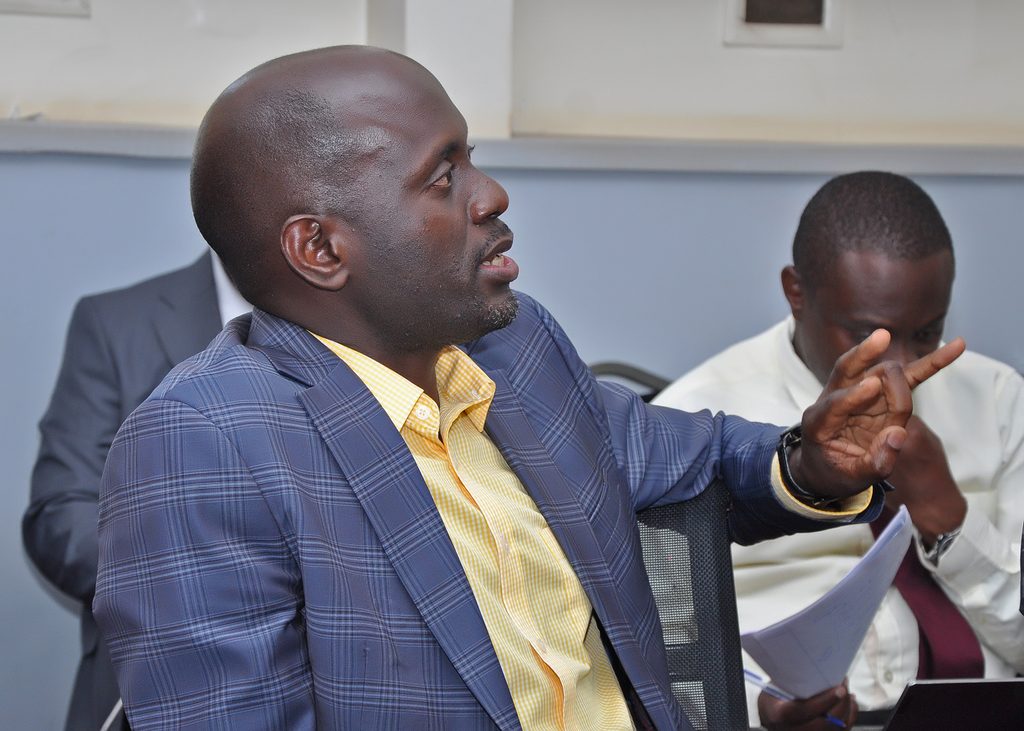
Explaining the “Bachelor of Education in Early Childhood Education Programme,” Dr Charles Kyasanku, a faculty member at CEES, highlighted that the programme is designed to prepare competent teachers and leaders for daycare centres and nursery schools.
He explained that the proposed three-year programme would integrate child development, play-based learning, assessment, inclusive education, nurturing care, child protection, centre management and professional ethics. “The proposed programme would combine theoretical learning with practical experience through internships and an integration project,” he added.
Dr Kyasanku emphasised the need to align the programme with national education policies, professional standards and Makerere University’s competence-based education framework in order to strengthen early childhood teacher preparation and improve the quality of education and care for young children.
Presenting the “Bachelor of Education in Primary Education Programme,” Dr Charles Kyasanku highlighted that the programme is designed to prepare teachers for Primary One to Primary Seven.
“The programme would equip student teachers with skills in child-friendly teaching, curriculum planning, assessment, learner care, inclusive education, leadership and educational research,” he explained.
Dr Kyasanku emphasised that the programme would address gaps in teacher competencies, support the upgrading of teachers to bachelor’s degree level in line with the National Teacher Policy, and strengthen competence-based education to improve primary education outcomes.
Advance Science Teacher Preparation for Competency-Based Education
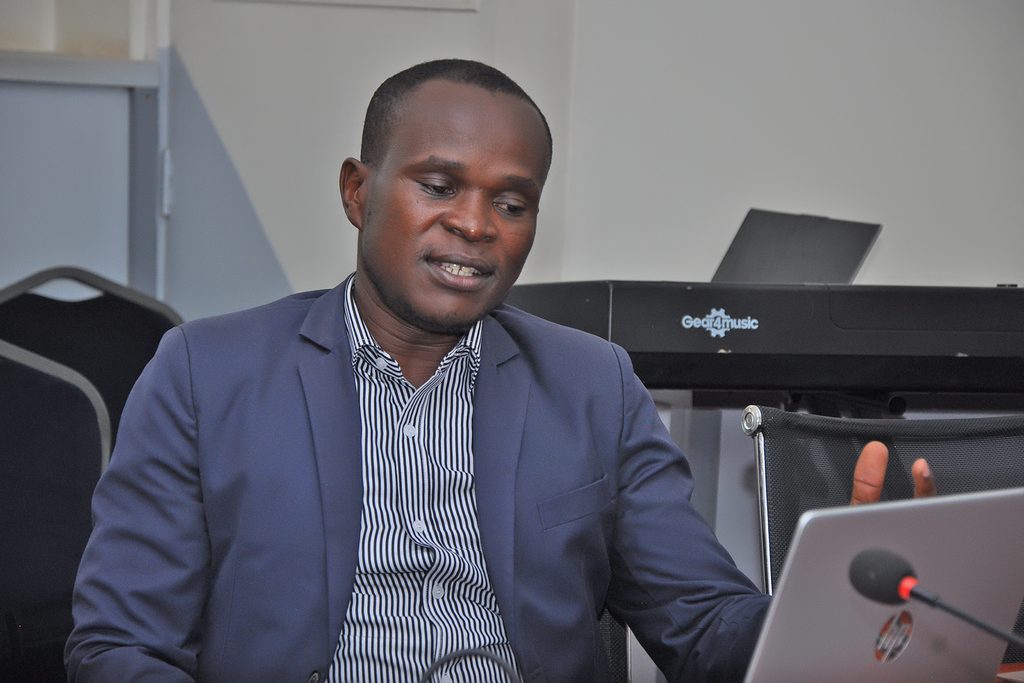
Unveiling the “Bachelor of Education (Science) Secondary Programme,”Dr Reymick Oketch, a faculty member at CEES, highlighted the aims of the programme, noting that it prepares competent science teachers to address evolving educational and technological needs.
He stressed the need to prepare more Science Teachers for Competency-Based Education and Training (CBET) by integrating scientific knowledge, practical learning, pedagogy and professional studies.
Underscoring the need to align notional hours with teacher education programmes, Dr. Reymick Oketch highlighted the importance of ensuring that learners acquire the required competencies within the prescribed workload.
“Notional hours cover facilitated learning, self-study, assessment and school practice,” he explained.
Need for Standardised Curriculum Development
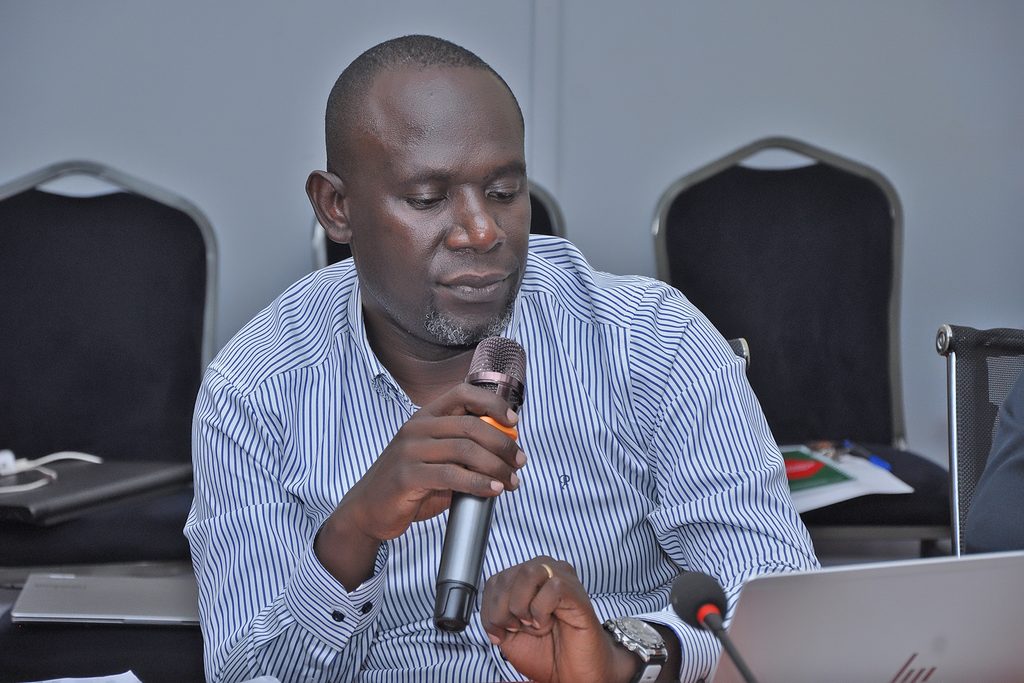
Introducing the nineteen (19) Curriculum, Foundations and Psychology programmes, Dr Julius Shopi Mbulankende, a faculty member at CEES, highlighted the importance of using the revised course outline template and clearly defining course competencies, learning outcomes, teaching methods, assessment and notional hours.
He called for consensus on course codes, facilitator allocation and the integration of cross-cutting issues, including gender, equity and special educational needs.
Expanding Teacher Education through Specialised Programmes and Practical Training
Dr Alfred Buluma, facaulty member from the Department of Foundations and Curriculum Studies at CEES, presented the proposed academic programmes, including the postgraduate diplomas in Educational Studies, Educational Leadership and Validation of Educational Institutions, Education Project Planning and Validation, Special Education, and Primary Education Studies. He outlined the proposed bachelor’s, master’s and doctoral programmes, including the Bachelor of Education in Primary Education, to expand academic opportunities and strengthen specialisation in education.
Plenary Discussion and Feedback from some of the participants

Commenting on the Bachelor of Education in Early Childhood Education programme, Dr David Kabugo, the Deputy Director of the Makerere Institute of Teacher Education, proposed renaming the programme “Bachelor of Education (Arts) Pre-Primary.”
Moderating the workshop, Dr Edward Kansiime, a faculty member at CEES, articulated the need for teachers to adopt pedagogical approaches aligned with Competency-Based Education (CBE).
Contributing to the programme review, Dr Roberts Wandera Otyo, a faculty member at CEES, underscored the need to integrate Competency-Based Curriculum (CBC) content from the O’ and A’ levels into programme development to ensure alignment with learners’ prior educational experiences.
Commendations for valuable input
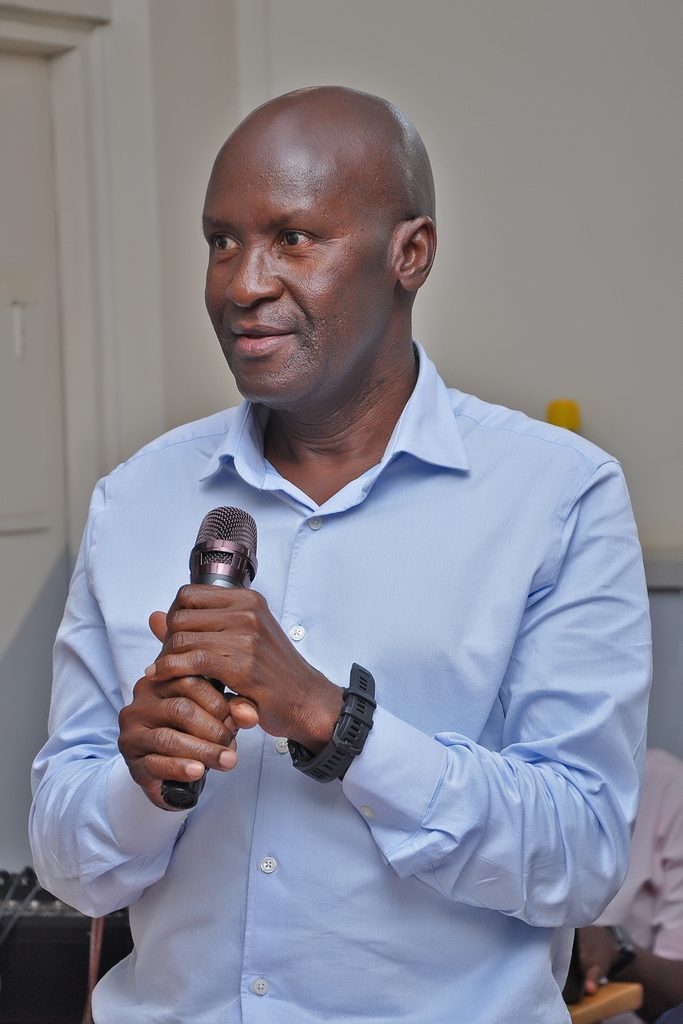
Delivering the closing remarks on the first day of the Curriculum Review Workshop, the Deputy Principal, Associate Professor Nicholas Itaaga, appreciated the participants for their contributions and urged them to remain committed to harmonising academic programmes with competency-based education requirements and national curriculum standards.
About the two-day workshop activities
The first day of the Curriculum Review workshop (15th October 2026), features presentations on the overview and objectives of the workshop, the official opening ceremony by the CEES leadership, Introducing programme elements (introduction, programme name, code, duration, description, programme competences, programme learning outcomes) as well as aligning curriculum and reviewing academic programmes from the Department of Foundations and Curriculum Studies.
The second day of the workshop (16th October 2026) will feature presentations of new and revised courses from the Department of Humanities and Language Education, and the Department of Science, Technical and Vocational Education.