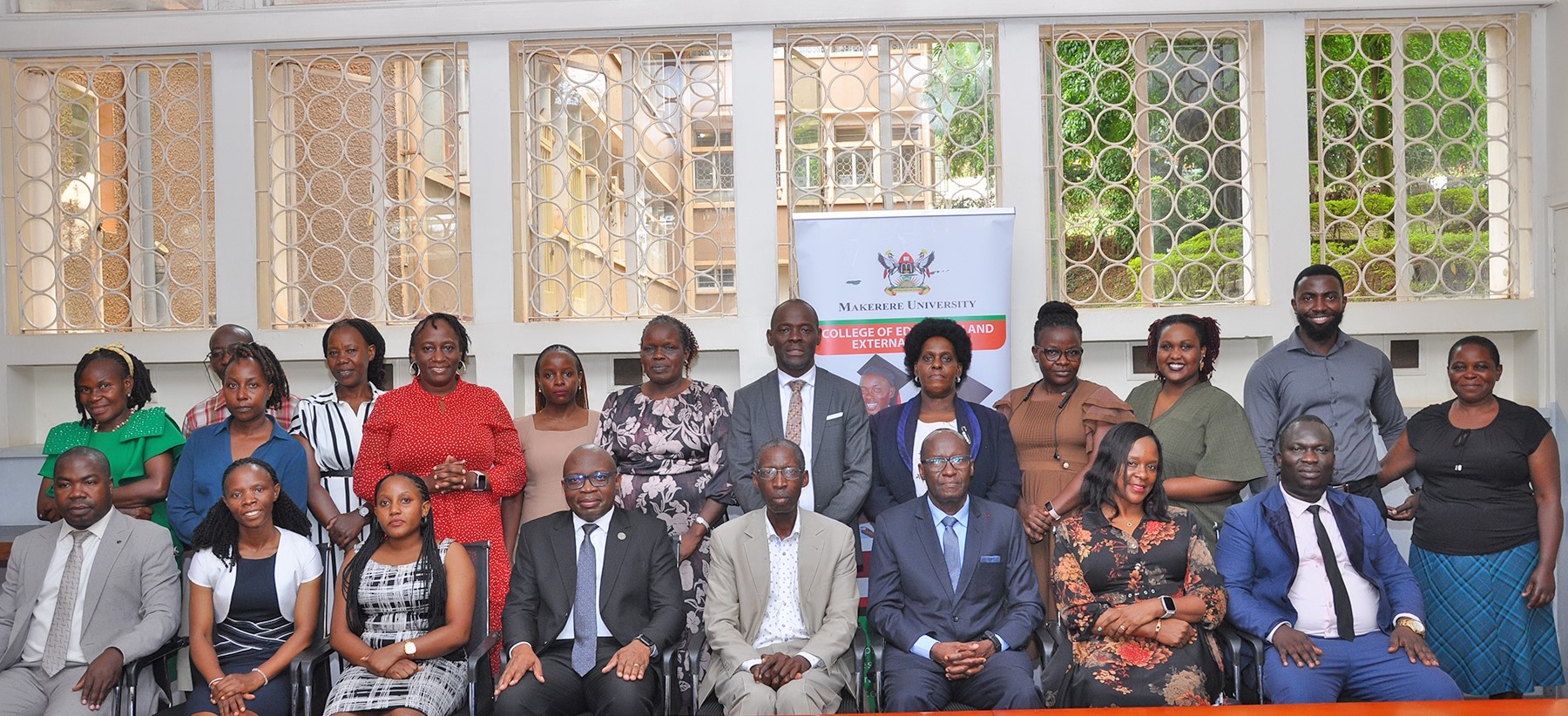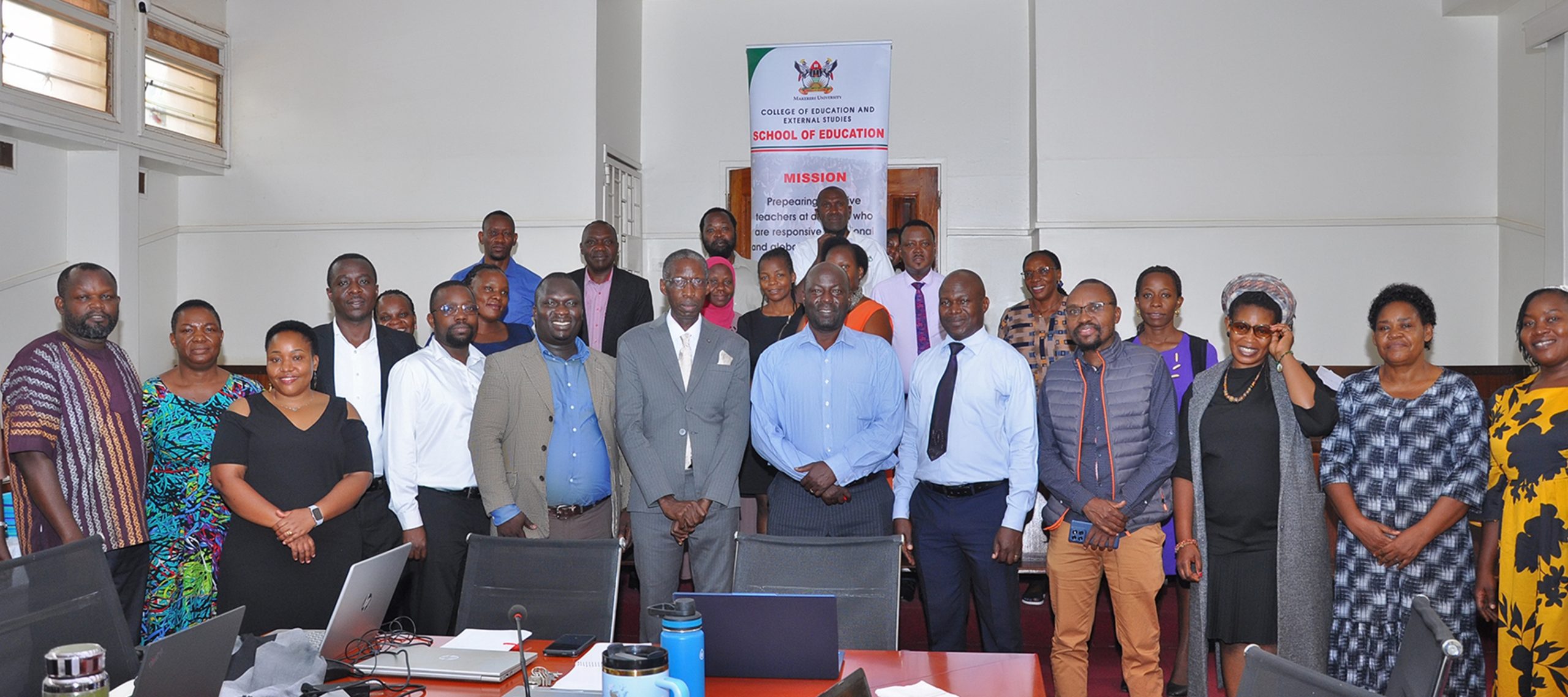
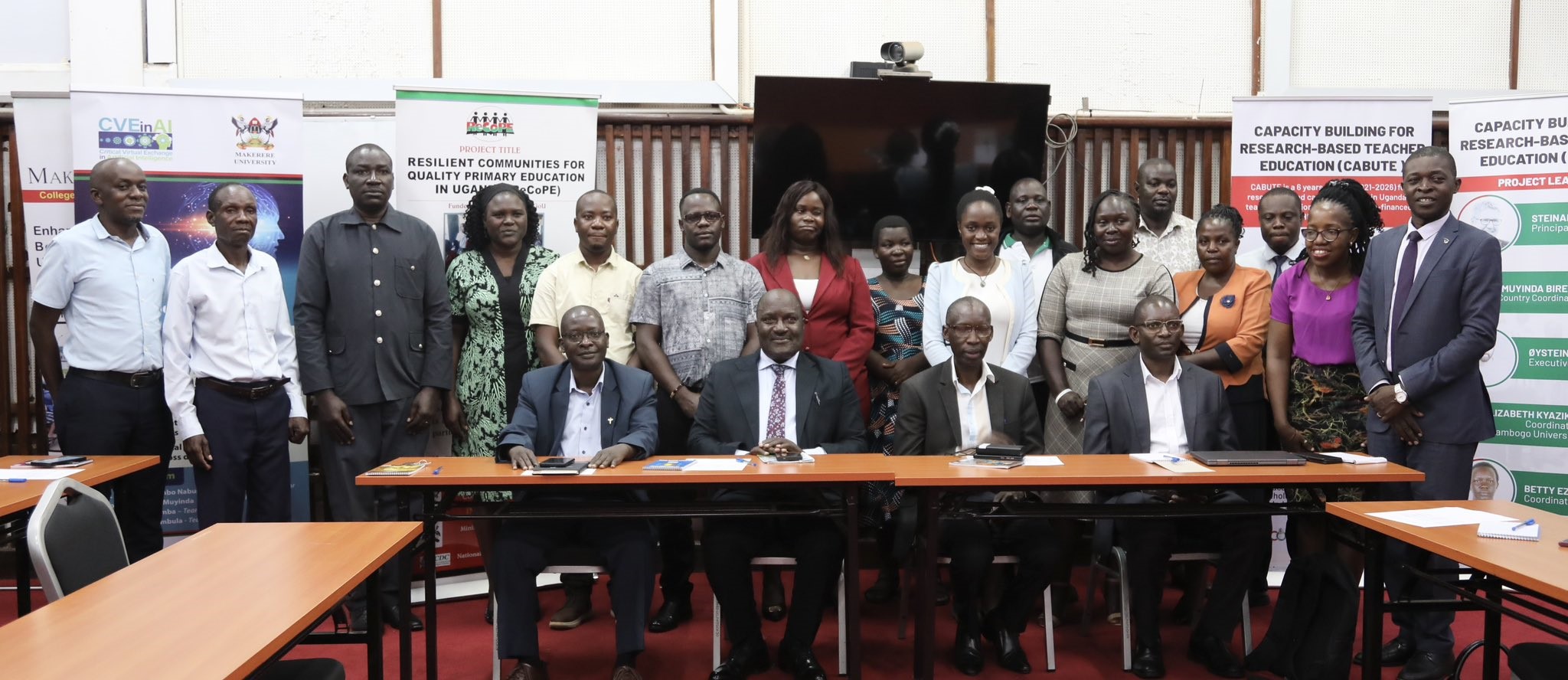
KAMPALA, May 5, 2026 — A renewed sense of optimism swept through the College of Education and External Studies at Makerere University on Tuesday as researchers, education leaders, curriculum specialists, and policymakers gathered to witness what many described as a defining milestone in Uganda’s journey toward Competency-Based Education (CBE).
At the center of the engagement was the dissemination of findings from a landmark situational analysis project led by Dr. Yuda Taddeo Kaahwa of the College of Education and External Studies, a study that participants repeatedly referred to as a “breakthrough blueprint” for the future of Ugandan classrooms.
The atmosphere inside the dissemination forum reflected more than academic interest. It carried the energy of a sector gradually finding common purpose after years of uncertainty surrounding the implementation of the Competency-Based Curriculum (CBC). Stakeholders who once questioned the feasibility of the reforms now appeared united around a shared conviction: Uganda’s education system must evolve from rote learning to skills-oriented teaching if it is to prepare learners for the demands of the modern world.
The study, according to participants, offers one of the clearest practical pathways yet for bridging the persistent gap between curriculum policy and classroom reality.
For years, Uganda’s shift toward competency-based learning has been praised in theory but challenged in practice, particularly in teacher preparation, classroom delivery, assessment methods, and learning resources. Dr. Kaahwa’s research directly confronted those concerns through a situational analysis designed to assess institutional readiness, teacher capacity, pedagogical approaches, and the systemic barriers affecting implementation.
The result is not merely another academic report, but a practical framework that education actors believe could redefine teacher education across the country.
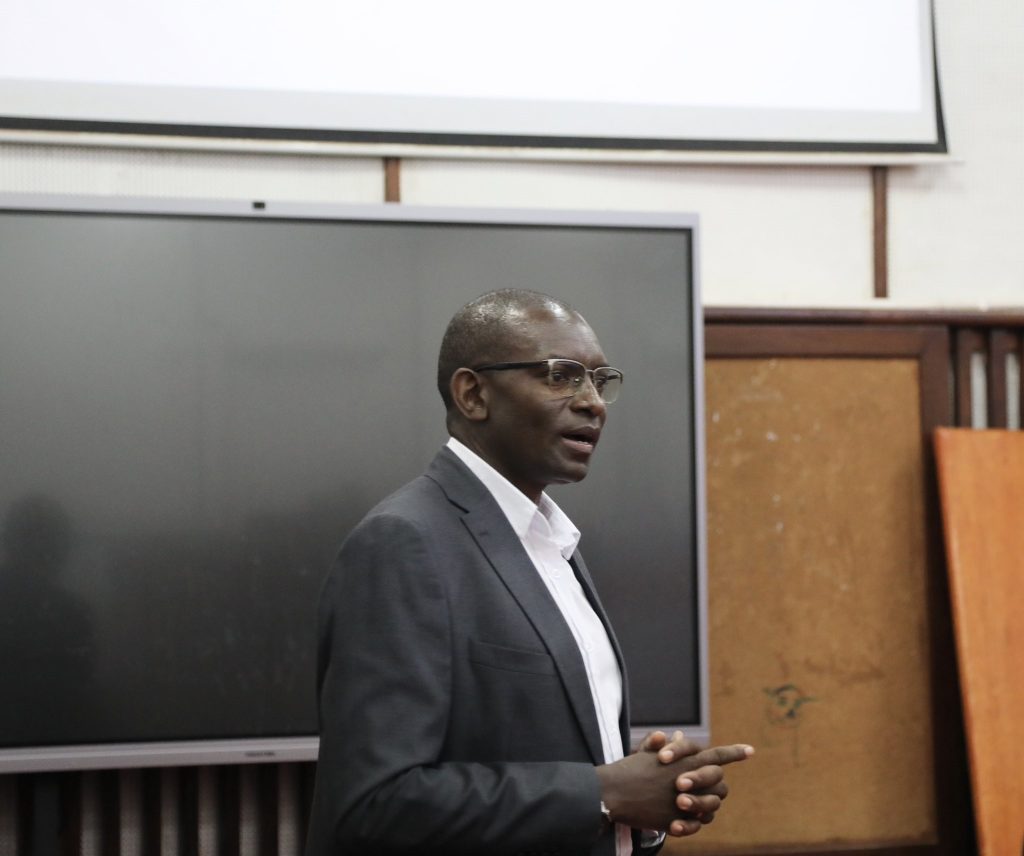
“This project represents an important turning point in our understanding of competency-based teacher preparation,” said Dr. Kaahwa.
Participants at the dissemination emphasized that the findings resonate strongly with the realities teachers face daily. Among the major recommendations presented were the strengthening of continuous professional development for teachers, redesigning assessment systems to prioritize practical competencies, integrating learner-centered pedagogies in teacher training institutions, and expanding mentorship systems within schools.
The discussions also highlighted the emergence of what many termed the “New Teacher” — an educator whose role extends beyond delivering notes and preparing learners for examinations. Under the competency-based approach, the teacher becomes a facilitator of inquiry, creativity, collaboration, communication, and problem-solving.
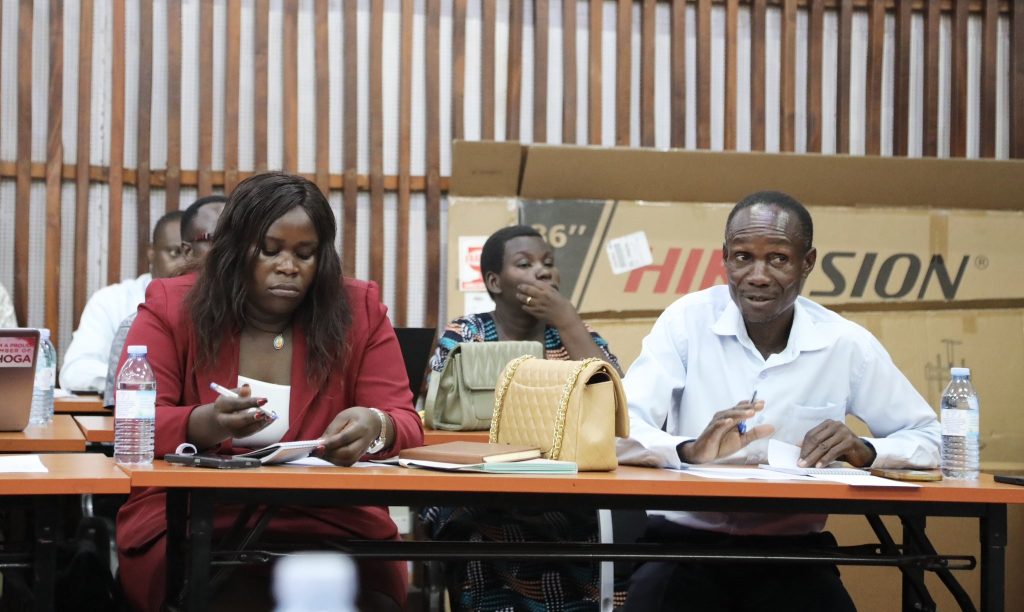
Education experts attending the dissemination argued that this transformation is essential if Uganda is to produce graduates capable of thriving in a rapidly changing global economy shaped by technology, innovation, and entrepreneurship.
Several school administrators who attended the engagement acknowledged that while skepticism initially surrounded CBC implementation, growing evidence from research and classroom experiences is beginning to build confidence in the reform agenda.
“This dissemination created an important space for consensus-building,” one participant observed. “There is now clearer understanding that competency-based education is not about abandoning academic excellence, but about making learning more relevant, practical, and meaningful.”
Officials from the education sector also welcomed the findings as timely, particularly as Uganda continues reviewing strategies for improving learning outcomes and aligning education with national development priorities.
A representative from the Ministry of Education and Sports noted that the research provides government with evidence-based recommendations capable of strengthening ongoing reforms.
Beyond the conference hall, however, participants agreed that the true test of success lies in implementation.
While Makerere University and MakCEES have effectively developed what stakeholders called the “engine” for education reform, attention is now turning toward government and development partners to provide the fuel necessary for national transformation.
Education leaders warned that without sustained financing, policy alignment, infrastructure investment, and nationwide teacher support systems, the promise of competency-based education could remain unevenly distributed.
Yet despite the challenges ahead, Tuesday’s dissemination left little doubt that momentum is building.
For many in attendance, the findings presented by Dr. Kaahwa’s team marked more than the conclusion of a research project. They represented a growing national belief that Uganda’s classrooms can become spaces where learners do not merely memorize information, but acquire the competencies needed to innovate, adapt, and lead in the 21st century.
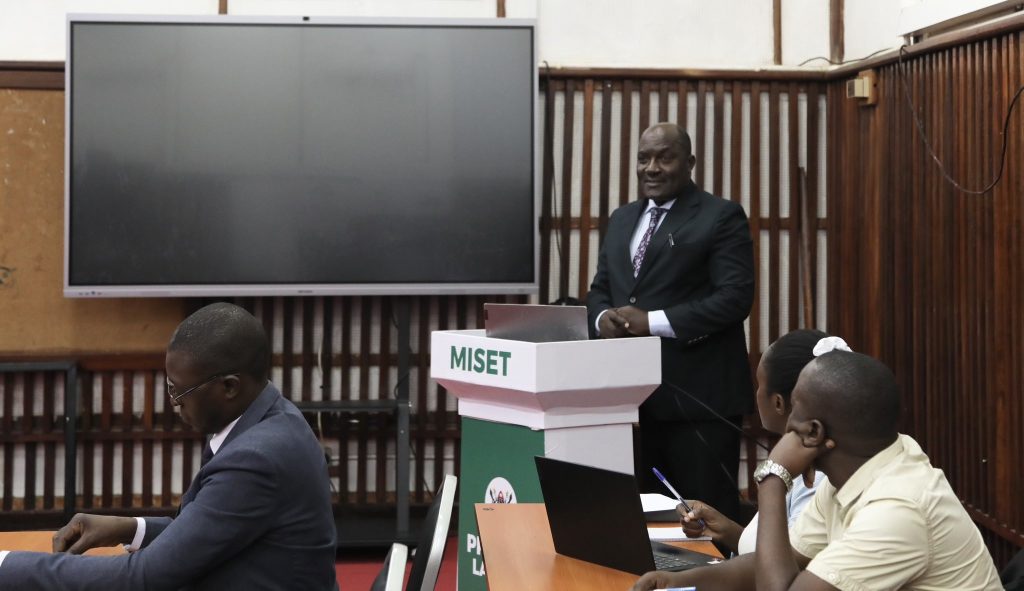
Despite the progress and optimism surrounding the dissemination meeting, stakeholders acknowledged that meaningful education reform will require stronger government support and increased funding to scale nationwide implementation. The Chairperson of the Mak-RIF Grants Management CommitteeProf. Fred Masagazi Masaazi the praised MakCEES for building a strong research foundation for competency-based education reform and emphasized the need to translate the findings into practical national policy actions. Representatives from the Ministry of Education and Sports reaffirmed the government’s commitment to integrating the recommendations into Uganda’s education system to expand skills-based, creative, and innovative learning across the country.