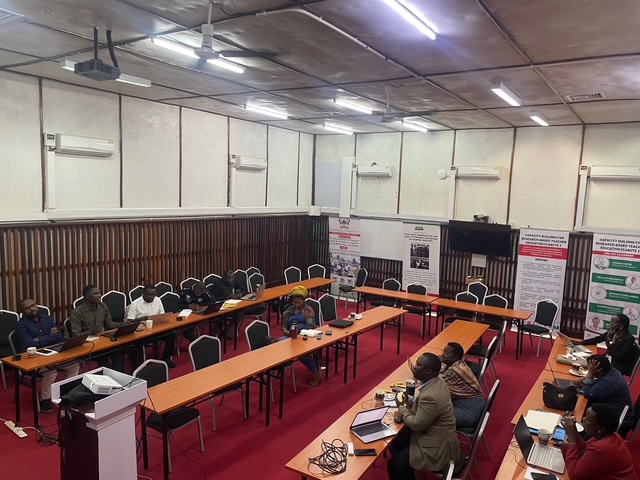
The Department of Adult and Community Education (DACE), under the School of Distance and Lifelong Learning at the College of Education and External Studies (CEES), Makerere University, has launched a bi-weekly research seminar series aimed at strengthening scholarly engagement and promoting co-authorship among staff and students.
The initiative forms part of the Department’s broader strategy to develop and operationalise its research agenda, with the goal of repositioning Adult and Community Education within national and global academic discourse.
According to the Head of Department and staff members, limited public understanding of Adult and Community Education continues to constrain its visibility and impact, particularly in relation to its contribution to lifelong learning, community transformation, and national development. The research seminar series is therefore intended to enhance knowledge production, increase publications, and promote evidence-based engagement in the field.
The seminars, held every Tuesday, are coordinated by Dr. Karembe Ahimbibisibwe and Dr. Kellen Aganyira, following their nomination by the Departmental Academic Board.
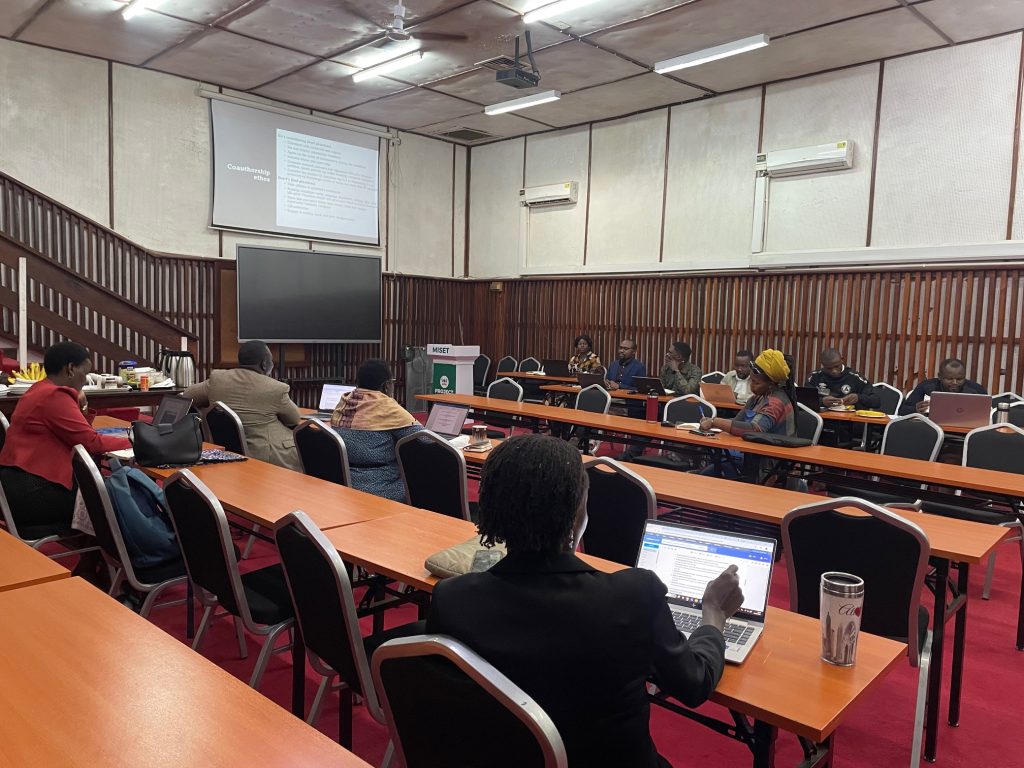
The inaugural session, held on Tuesday, 24th March 2026, focused on the theme: “Understanding Co-Authorship in Academic Practice.”
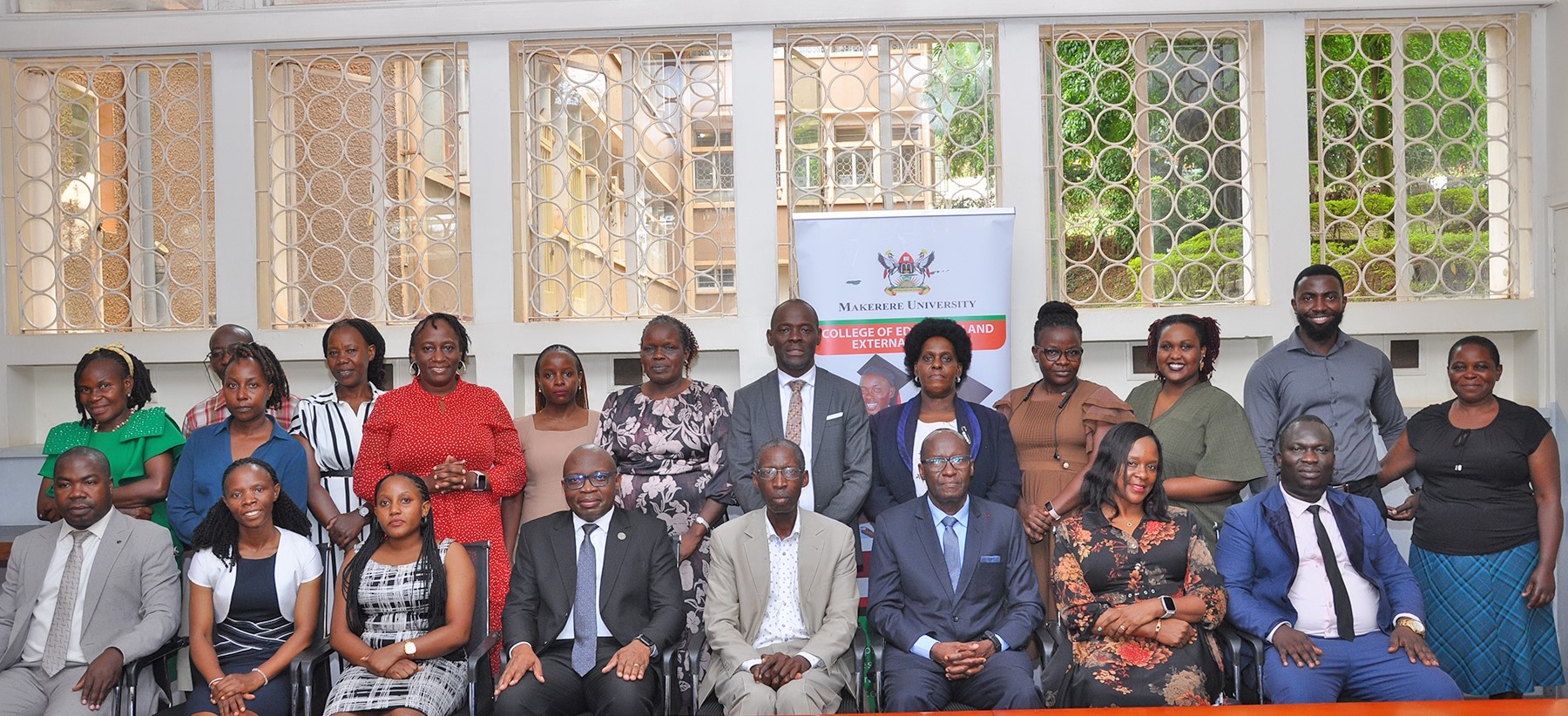
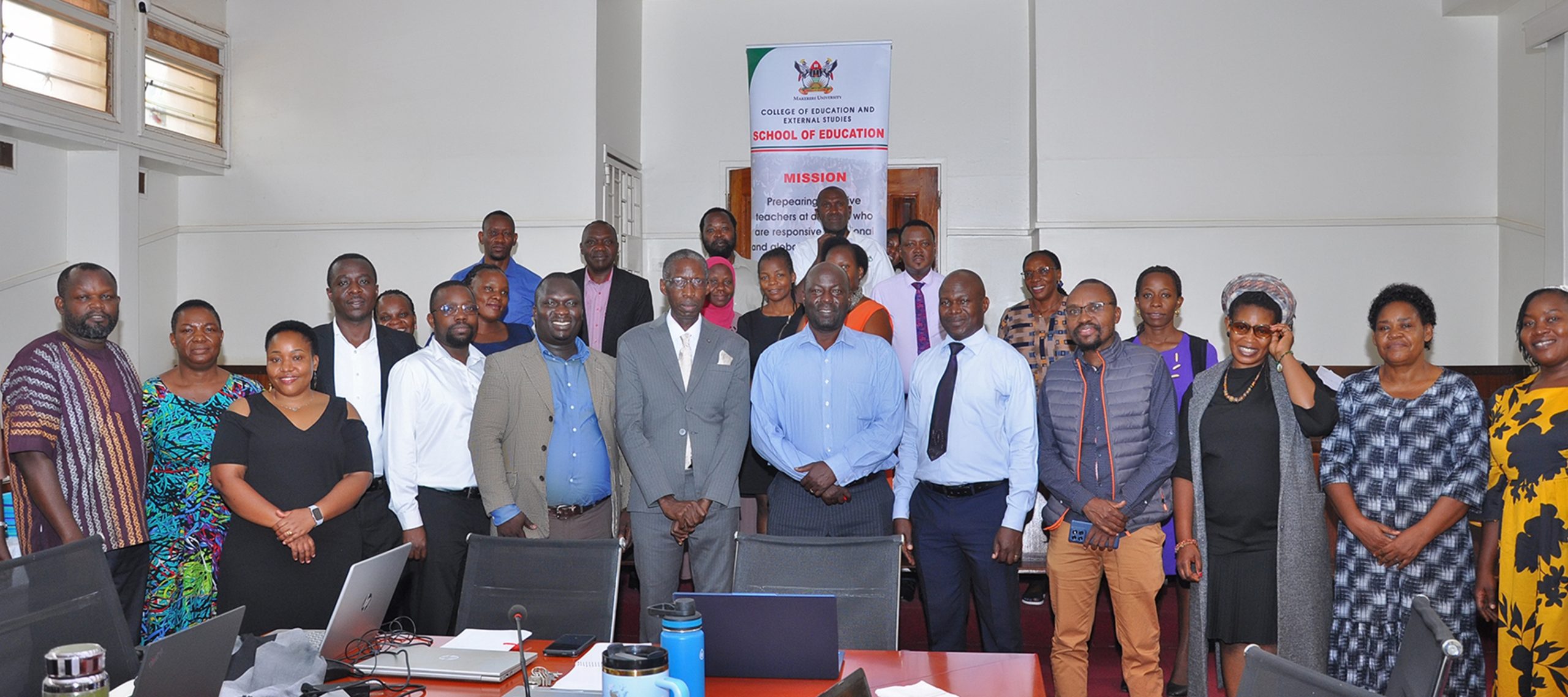
The seminar brought together academic staff, PhD students, and recent graduates of the Master of Adult and Community Education (MACE) programme to reflect on collaborative research and scholarly writing.
Participants engaged with key aspects of co-authorship, including contribution, collaboration processes, and the role of joint writing in enhancing academic productivity and mentorship.
“Co-authorship is not just about writing together—it is about building shared thinking, mentorship, and a collective scholarly identity,” noted one of the facilitators during the session.
As part of the seminar, participants were required to prepare structured abstracts outlining their research focus, theoretical grounding, methodology, and anticipated contribution to scholarship or policy. The session included presentations of draft ideas, followed by peer feedback.
This practical approach enabled participants to move beyond conceptual discussions and actively engage in the process of developing publishable work.
A participant described the experience as transformative. “The seminar has helped me refine my research idea and think more clearly about collaboration. The feedback from colleagues is both constructive and motivating.”
The Department has prioritised inclusive participation by involving graduate students and recent alumni, with plans to expand the initiative to all postgraduate learners in order to strengthen research capacity across academic levels.
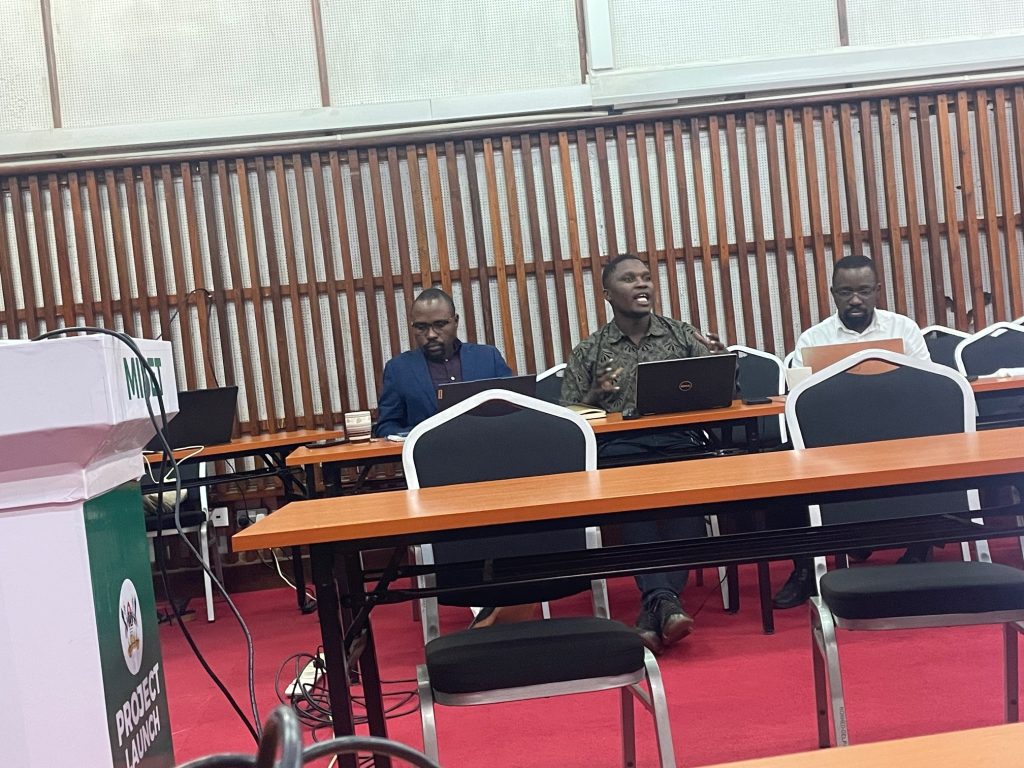
Speaking during the seminar, the Acting Head of Department, Dr. Joseph Watuleke, commended staff and students for embracing the initiative and called for sustained commitment to building a research culture. “This seminar series represents a deliberate step toward strengthening our research culture and increasing our contribution to knowledge and development,” said Dr. Watuleke.
Dr. Watuleke noted that the initiative aligns with the strategic direction of the Principal, CEES, Prof. Anthony Muwagga Mugagga, who has consistently emphasized the importance of research in repositioning academic units within the University.
“The Principal has continually guided us to reclaim our intellectual space and strengthen our contribution to Adult and Community Education. This initiative is part of that broader vision of enhancing research visibility and academic leadership.”
The Department envisions the seminar series as a platform for fostering collaborative research, increasing scholarly publications, and building a vibrant academic community within the College of Education and External Studies (CEES).