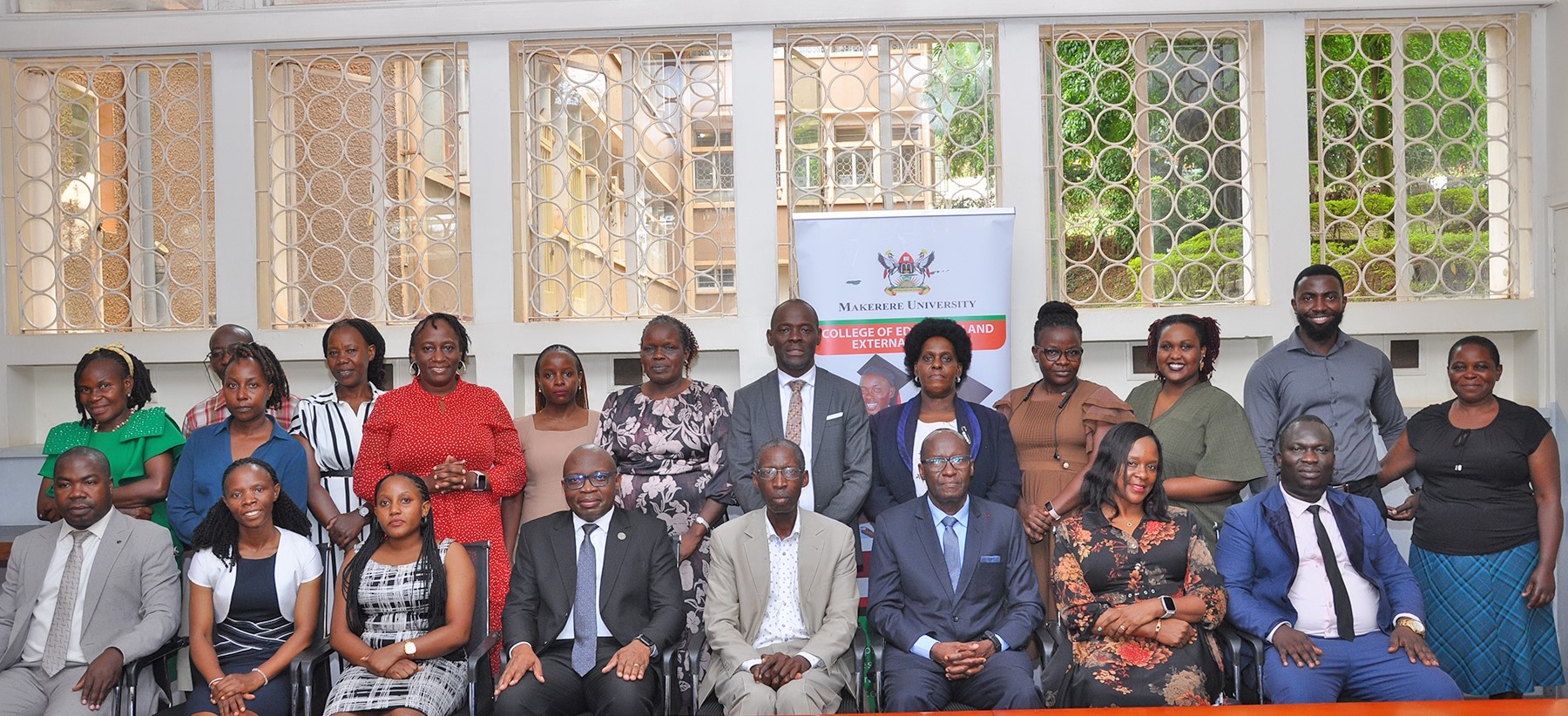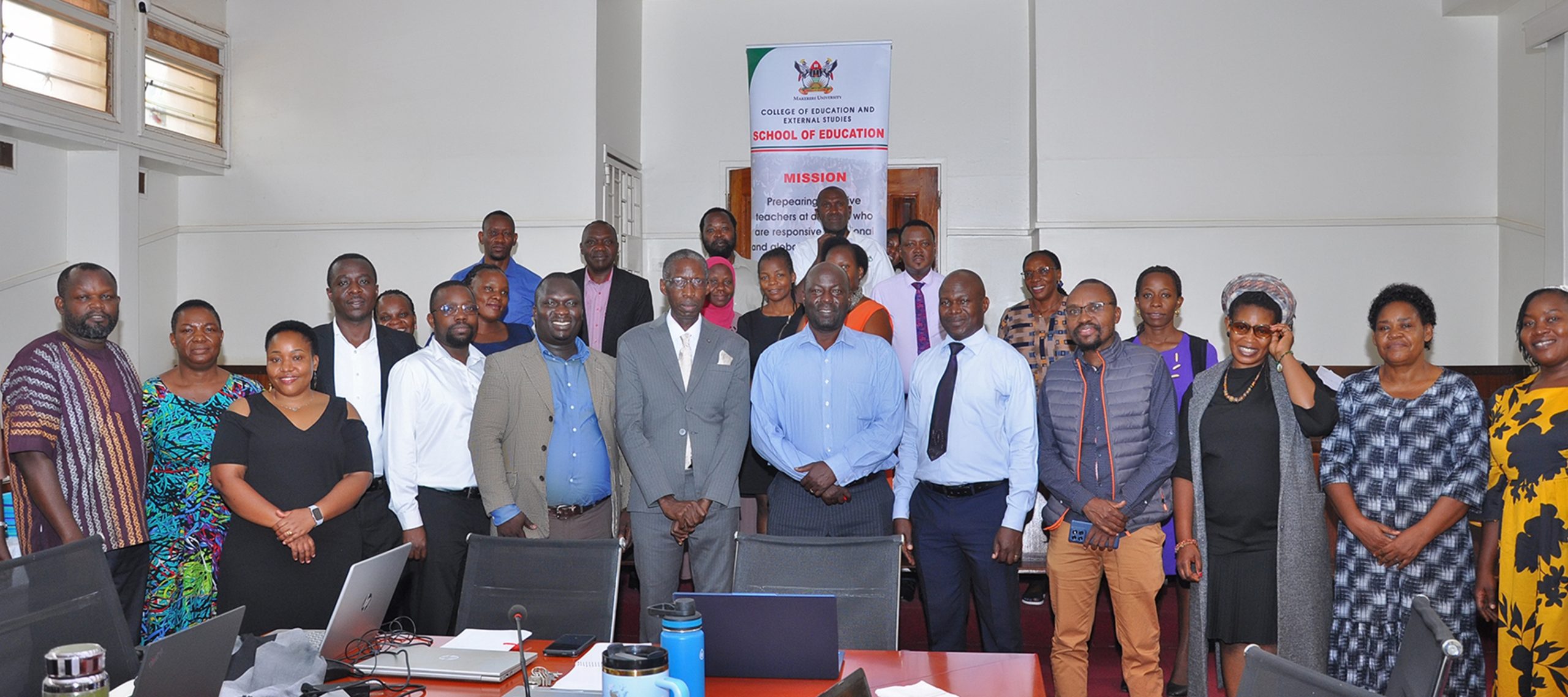
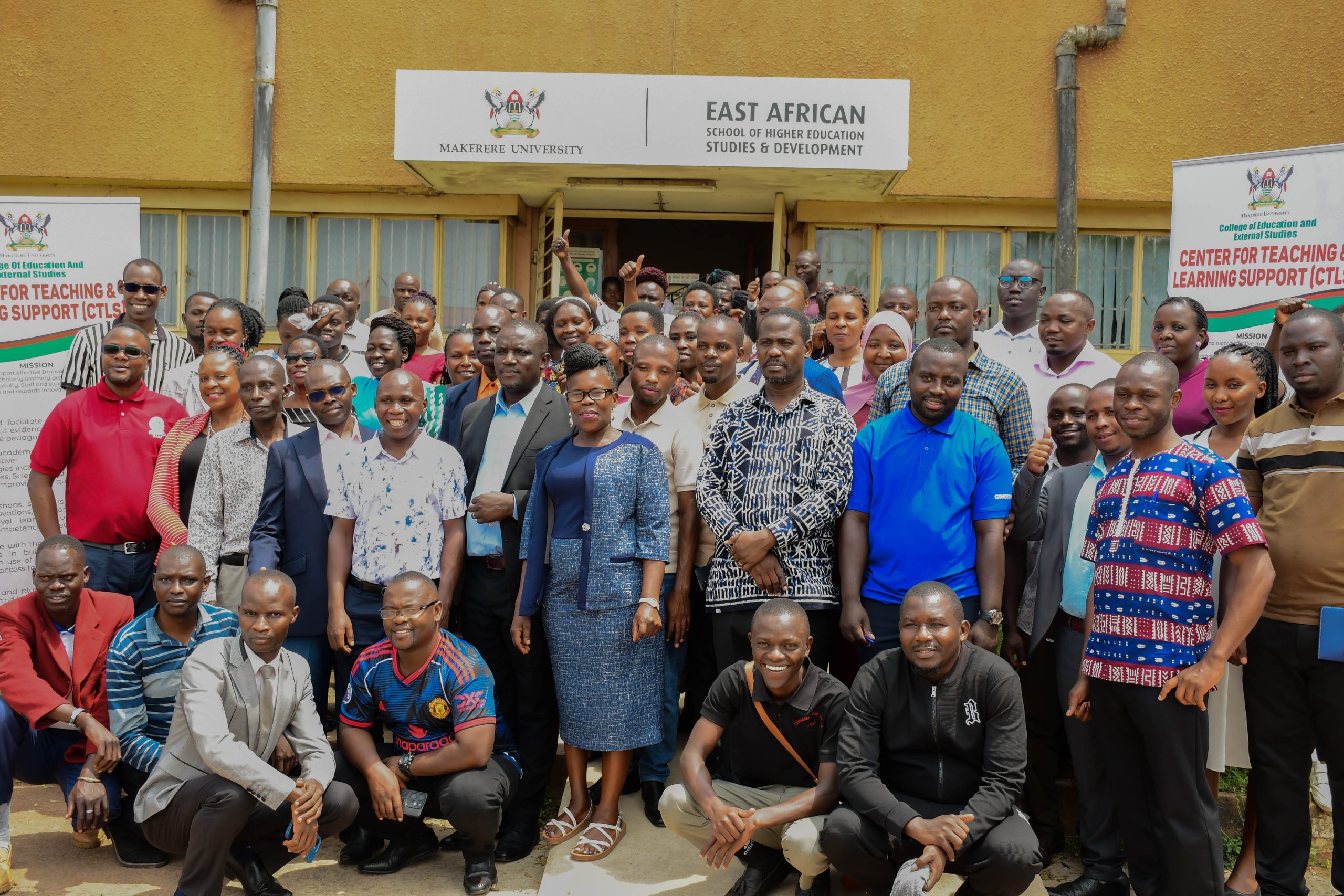
On Saturday 14th March 2026, the Center for Teaching and Learning Support, based at the College of Education and External Studies (CEES), Makerere University, hosted the Kiswahili Primary School Orientation Workshop, aimed at strengthening skills in content and delivery, enhancing assessment competencies, and improving the understanding of the Kiswahili curriculum.
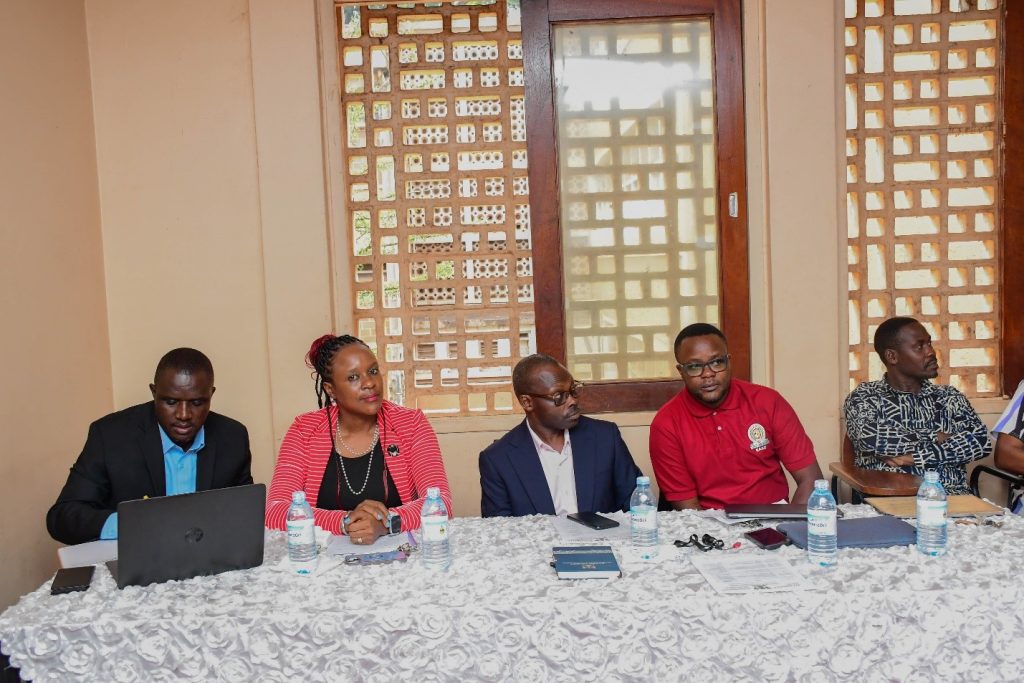
This initiative brought together Kiswahili primary teachers from across the country, affiliated with the umbrella association, CHAWAKISHUMU, with the objective of fostering high-quality Kiswahili teaching in primary schools across Uganda through professional collaboration, resource sharing, and cultural integration.
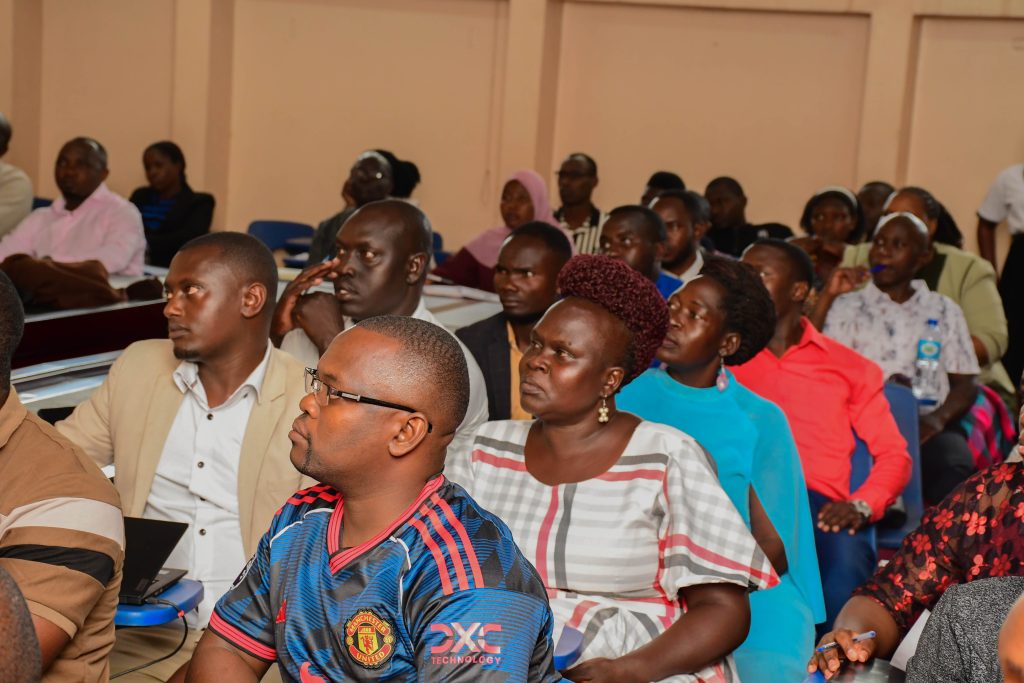
During the capacity-building workshop, participants listened to the following presentations delivered by experts in the discipline: Kiswahili Curriculum Content by Dr. Boaz Mutungi and Kiswahili Curriculum Delivery by Mr. Micah Bamugyeya. At the end of each presentation, participants engaged in plenary discussions managed by Mr. Joseph Tusingwiire and Dr. Caesar Jjingo, respectively.
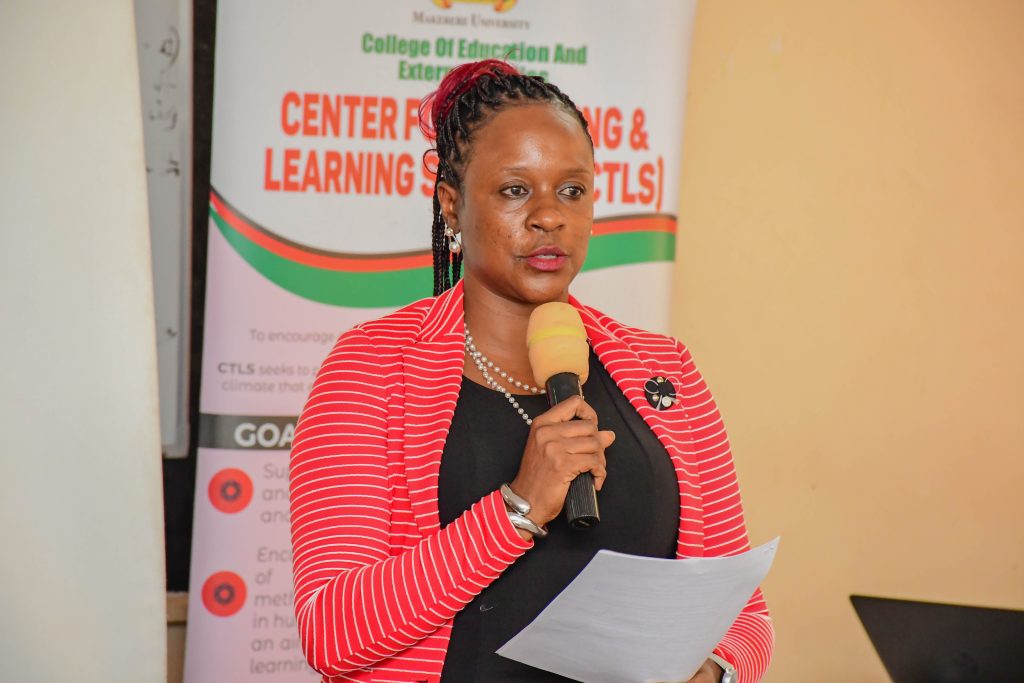
Delivering the opening remarks on behalf of Prof. Anthony Muwagga Mugagga, the Principal of the College of Education and External Studies, Dr. Dorothy Ssebowa Kyagaba welcomed the participants to the capacity-building workshop, aimed at redefining the teaching and speaking of Swahili in primary schools and Uganda at large.
“The purpose of this workshop is to learn, reflect, and share insights on Kiswahili curriculum delivery and assessment at primary, secondary, and university levels,” Dr. Kyagaba said.
Dr. Kyagaba stated that a memorandum of understanding was signed between the College of Education and External Studies and CHAWAKISHUMU to collaborate on building the capacity and professional development of Kiswahili teachers, research, and innovation of Kiswahili pedagogy.
Highlighting the mandate of the Centre for Teaching and Learning Support, Dr. Kyagaba articulated its commitment to undertaking innovative approaches through learner-centered and activity-based pedagogical practices.
Dr. Kyagaba reiterated the importance of Kiswahili teachers’ role in helping learners develop language skills, deliver content clearly, and assess learning effectively. She expressed confidence that the facilitators’ expertise and Kiswahili teachers’ shared experiences will improve understanding of the Kiswahili curriculum and strengthen skills in content delivery and assessment competencies.
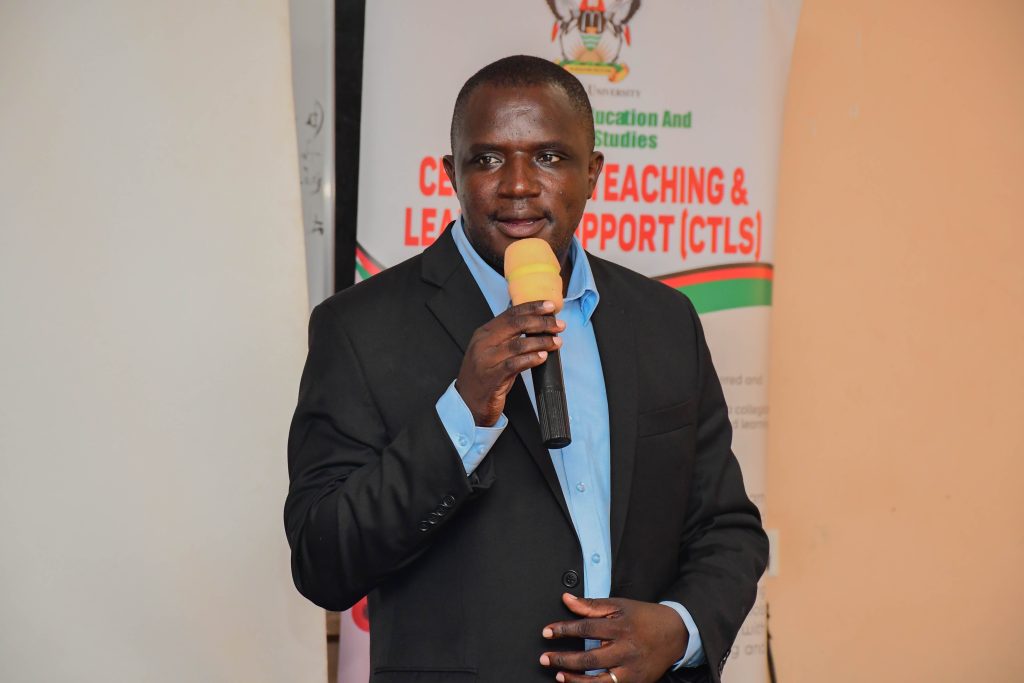
The National President of Chama Cha Walimu Wa Kiswahili Shule Za Msingi Nchini Uganda (CHAWAKISHUMU), Mr. Joseph Tusingwiire, explained that the association is an inclusive organisation, uniting primary, secondary, and university educators.
According to Mr. Tusingwiire, CHAWAKISHUMU exists to promote high-quality Swahili teaching in primary schools in Uganda through professional collaboration, resource sharing, and cultural integration.
In pursuit of this vision, the association, since its inception in 2012, has undertaken several activities, including the successful organisation of national Swahili music, dance, and drama concerts, showcasing students’ skills in the language through debates and poems
Mr. Tusingwiire called upon Swahili teachers to seize opportunities including participating in workshops, training abroad, and the provision of translation services. He stressed that CHAWAKISHUMU aims to create more opportunities for its members. He called upon teachers to work together to promote Swahili and equally tap into its benefits.
Mr. Tusingwiire acknowledged the government’s rollout of Swahili in secondary schools as a positive development. However, he noted that its impact is limited because the subject is not compulsory up to Senior Four. He therefore urged the government to extend the rollout to primary schools, emphasizing that this would provide learners with a strong foundation in Kiswahili before they progress to secondary education.
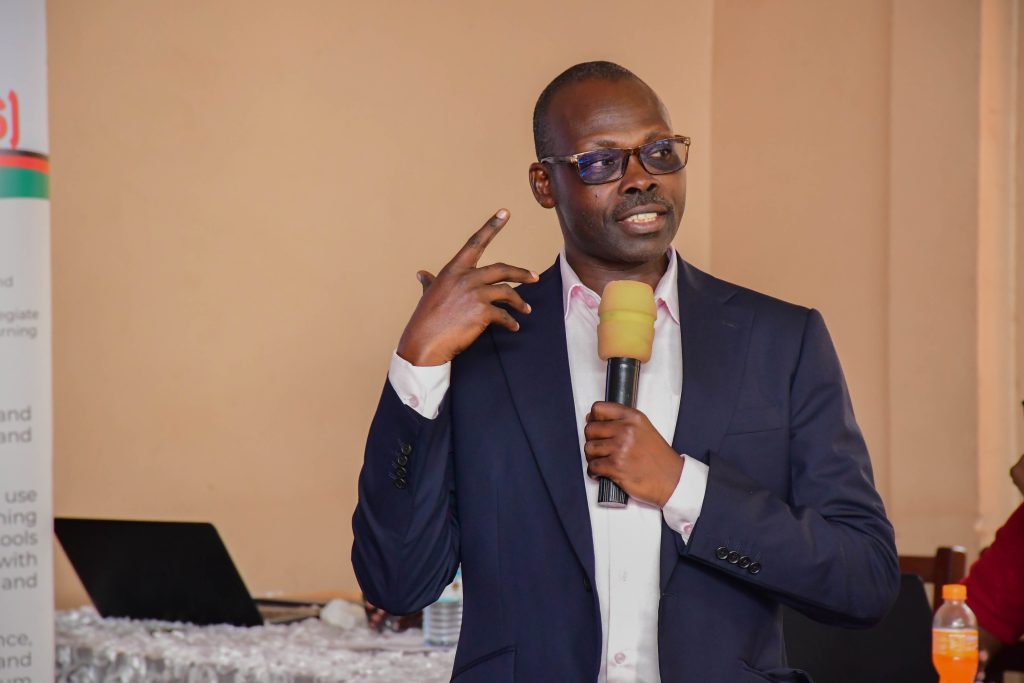
In his presentation on Kiswahili Curriculum Content, Dr. Boaz Mutungi revealed that the focus is on equipping learners with practical language skills rather than just grades. “Ours is not about grades but about a learner exhibiting four critical skills in language learning. These include writing, reading, speaking, and listening,” he said.
The curriculum content revolves around the four key areas namely, reading, writing, listening and speaking, with writing being the highest order. Dr. Mutungi stressed the importance of proper pronunciation, urging students to mind about the pronunciation as they deliver their skills.
The methodologies employed in the curriculum are centred on strengthening these fundamental language fields. He noted that, focusing on these core areas, learners will develop a strong foundation in Swahili, enabling them to communicate effectively. He revealed that the National Curriculum Development Centre (NCDC) is emphasizing this approach to language learning, prioritising practical application over mere academic achievement.
In his presentation, Mr. Micah Bamugyeya highlighted concerns over the delivery of the Kiswahili curriculum, citing that most schools are not prioritising the subject because it is not examinable.
He suggested that this structural issue can be addressed by re-evaluating the subject’s importance in the school curriculum. Mr. Bamugyeya stressed that the lack of emphasis on Kiswahili affects the quality of teaching and learning, urging stakeholders to take action to rectify the situation and ensure the subject receives the necessary support.
Participants called upon school leaders to engage the Uganda National Examinations Board (UNEB) to include Swahili on the list of examinable subjects. “Students have been studying Swahili, and UNEB doesn’t examine them. This is a gap that UNEB should address,” Dr. Nelson Nsereko noted.
The workshop achieved a significant milestone in enhancing Kiswahili teaching in Uganda, with participants aligning on promoting practical language skills and addressing challenges like the low priority given to the subject in some schools. It also enhanced plans for capacity-building workshops, certification programs, and curriculum review.